
The Importance of Dental Health in Pets
and Why you Should care

It’s only natural that as a pet owner, you want to ensure that your furry companion is happy and healthy. While regular exercise, proper nutrition, and routine veterinary check-ups are important for maintaining your pet’s health, the importance of dental health is often overlooked. In this article, we’ll explain why dental checkups are so important to maintaining your pet’s oral health in particular, and general health overall.
Healthy teeth. Healthier pet.
Dental problems in pets, such as gum disease, tartar buildup, and tooth decay can cause bad breath, pain and even difficulty eating. They can also lead to infection that can spread to other parts of the body – including serious health problems such as heart disease, kidney disease and liver disease.
Fortunately, there are steps you can take to help prevent dental problems in your pet. Regular dental care, including brushing your pet’s teeth, providing dental chews and toys, and getting routine dental check-ups from a veterinarian, can help prevent dental disease and maintain good oral health in pets.
Brushing your pet’s teeth at least once a day is one of the most effective ways to prevent dental problems. Human toothpaste and cleaning instruments are formulated for humans and can actually make your pet sick if swallowed, so be sure to use a toothbrush and toothpaste specifically designed for your pet. Make sure to gradually introduce your pet to the process to avoid any fear or discomfort.
Dental chews and toys can also help clean teeth and promote good oral health. Make sure to choose products that are appropriate for your pet’s size and chewing habits.
What to expect before your pet’s dental cleaning appointment
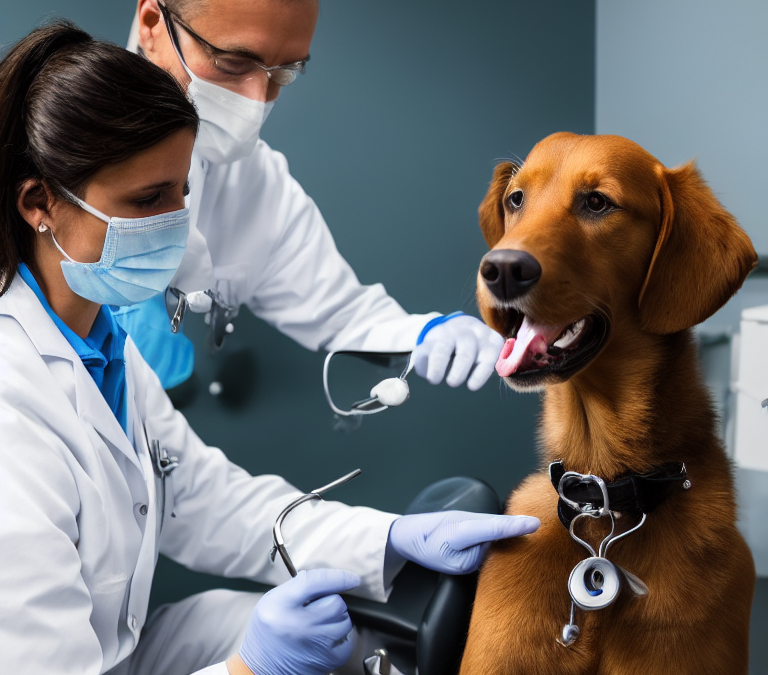
Regular dental check-ups with a veterinarian are also essential to detecting and treating dental problems before they become more serious. As a service, your veterinarian may recommend a professional cleaning to remove tartar buildup and prevent future dental problems.
Similar to a human visit to the dentist, a pet dental cleaning is performed by a trained professional to remove plaque and tartar from your pet’s teeth and gums. However, because our pets have some unique needs different from us, your veterinarian will want to evaluate the pet’s overall health and determine if they are healthy enough to undergo anesthesia beforehand. Bloodwork may also be performed to check for any underlying health conditions.

To ensure your pet’s safety and comfort, they will be placed under general anesthesia for the cleaning procedure. Once asleep, your veterinarian will use specialized dental tools to remove plaque and tartar buildup from your pet’s teeth, both above and below the gumline. They may also take dental X-rays to evaluate their teeth and gums more closely in order to detect any underlying dental problems such as tooth decay, abscesses or bone loss. After the cleaning, the veterinarian will evaluate the pet’s gums, teeth and overall health to ensure everything looks healthy and normal.
How often should my pet have their teeth cleaned?
According to veterinarian standards, our furry friends should have their teeth cleaned on a regular basis as part of their overall healthcare routine. Like humans, the frequency of dental cleanings will depend largely on your individual pet’s needs, age, breed and overall health.
In general, most pets will need a dental cleaning at least once a year, though some may require more frequent cleanings. If your pet has a history of dental problems or tooth decay, they may need to have their teeth cleaned more often, while pets with healthy teeth and gums may only need occasional cleanings. It’s important for pet owners to work closely with their veterinarian to develop a dental care plan that is tailored to their pet’s individual needs.
In conclusion, dental health is important in pets and can affect their overall health and well-being. Regular dental care, including brushing your pet’s teeth, providing dental chews and toys and getting routine dental check-ups from a veterinarian, can help prevent dental disease and maintain good oral health in pets. By taking care of your pet’s teeth, you can help ensure that they lead happy and healthy lives.

Send us a Message

Visit Our Office

Call Us Today
