

Understanding Hearing Loss in Dogs: Causes, Care, and Veterinary Solutions
At Regal Animal Hospital, our team is here to support you and your four-legged family member with compassionate care and practical solutions.
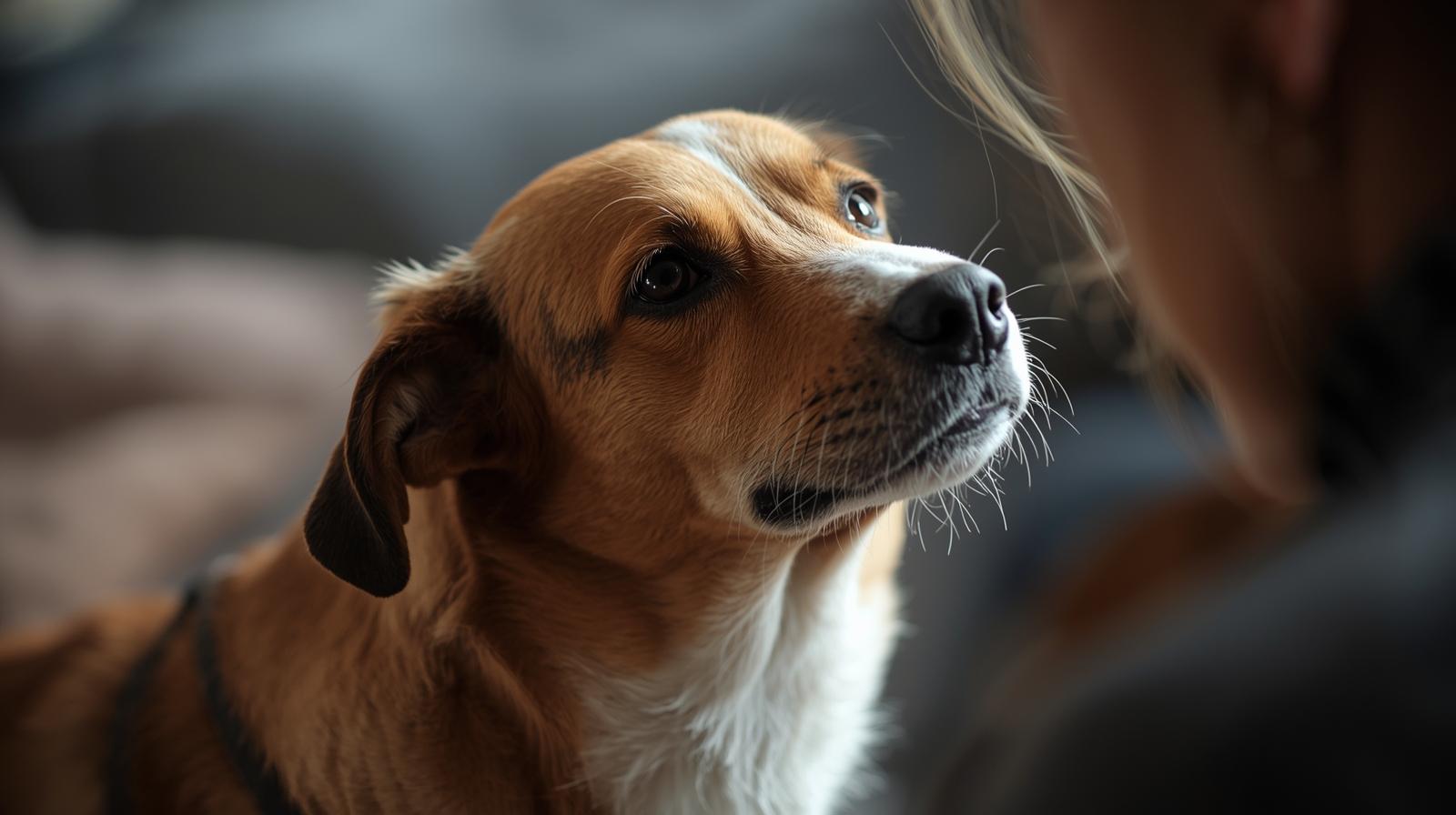
Just like people, dogs can experience hearing loss at different stages of life. While some hearing decline is a natural part of aging, other factors such as chronic ear infections or breed predispositions can also play a role. For pet owners, noticing changes in their dog’s hearing can be concerning. However, a veterinary assessment can help you better understand causes and identify ways to adapt at home.
Table of Contents
Causes, Assessment, and Treatment Options.
Age-Related Hearing Loss in Dogs
As dogs grow older, it’s common for them to develop hearing loss—sometimes gradually, other times more noticeably. This type of decline, known as presbycusis, may affect one ear (unilateral) or both ears (bilateral). You may observe your dog not responding to their name, sleeping more soundly through noise, or startling easily when approached. While age-related hearing loss cannot be reversed, awareness helps pet owners make adjustments to keep their companions safe and comfortable.
Ear Infections and Hearing Loss
Ear infections are another leading cause of hearing issues in dogs. Chronic ear infections, if left untreated, can cause damage to the ear canal or eardrum, leading to temporary or even permanent hearing loss. Common signs include head shaking, pawing at the ears, a foul odor, or discharge. Prompt veterinary care can often resolve infections before long-term damage occurs. Regular ear cleanings, particularly for floppy-eared or allergy-prone breeds, are an important part of preventive care.
Breeds Predisposed to Hearing Loss
Some breeds have a higher likelihood of developing congenital or inherited deafness. Breeds such as Dalmatians, Australian Cattle Dogs, Bull Terriers, and English Setters are among those more predisposed. Hearing loss in these cases is often related to genetics, particularly when associated with coat color genes such as piebald or merle patterns. Early screening in these breeds can help identify concerns sooner, allowing families to prepare and adapt.
Veterinary Assessment and Treatment Options
If you suspect your dog may be experiencing hearing loss, a veterinarian can evaluate for potential treatable causes. An otoscope can be used to assess the ear canal as well as the ear drum. Evidence of an ear infection, excessive debris in the ear canal such as wax and ear canal hair, foreign material in the ear canal, and problems with the ear drum can be identified with this tool – all of which can contribute to a reduced ability to hear.
Rudimentary tests, such as clapping or whistling while standing behind your pet, can assess if they are able to hear normal sounds. To actually measure and quantify the pet’s ability to hear however, a Brainstem Auditory Evoked Response (BAER) test can be pursued through a veterinary neurologist. This specialized test can be costly so while it can be used in any situation where a dog’s ability to hear is in question, it isn’t a practical option for most pet owners. Most often it is used for breeding purposes, to verify the potential parents’ ability to hear prior to breeding.
Living with a Dog Who Has Hearing Loss
Dogs are incredibly adaptable and can continue to live joyful, active lives even with partial or complete hearing loss. Pet owners can make adjustments to improve safety and communication at home, such as:
- Using hand signals or vibrations to communicate.
- Approaching your dog gently from the front to avoid startling.
- Keeping your dog leashed outdoors or in enclosed spaces for safety.
- Adding visual cues, like a flashing light at feeding time, to reinforce routines.
With a little creativity and consistency, you can help your dog remain confident, secure, and connected to your family.
Is Your Dog Struggling with Hearing Loss? We Can Help.
Hearing loss in dogs is more common than many pet owners realize, but with early recognition and veterinary guidance, you can take meaningful steps to ensure your companion’s comfort and quality of life. Whether the cause is age, infection, or genetics, your veterinarian is your best resource for diagnosis, treatment, and advice on living with hearing loss. At Regal Animal Hospital, we’re dedicated to supporting both pets and their families every step of the way.
For expert advice and compassionate care, schedule a visit with Regal Animal Hospital today!

Send us a Message

Visit Our Office

Call Us Today
