
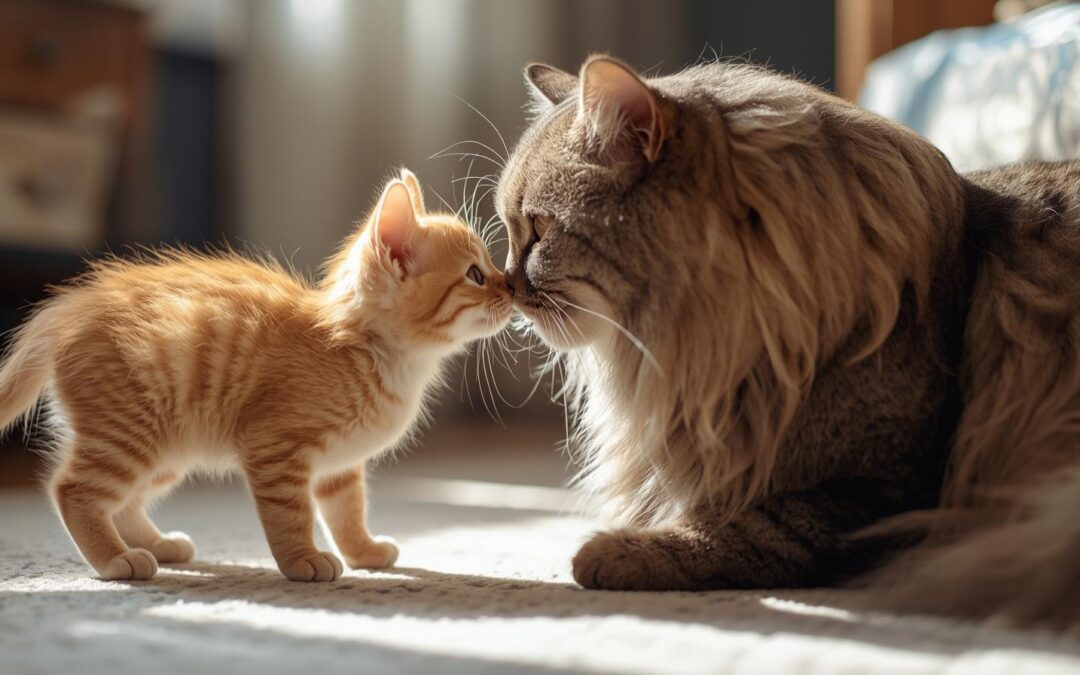
Does My Cat Need a Friend?
How to tell if a new companion is right for your cat.
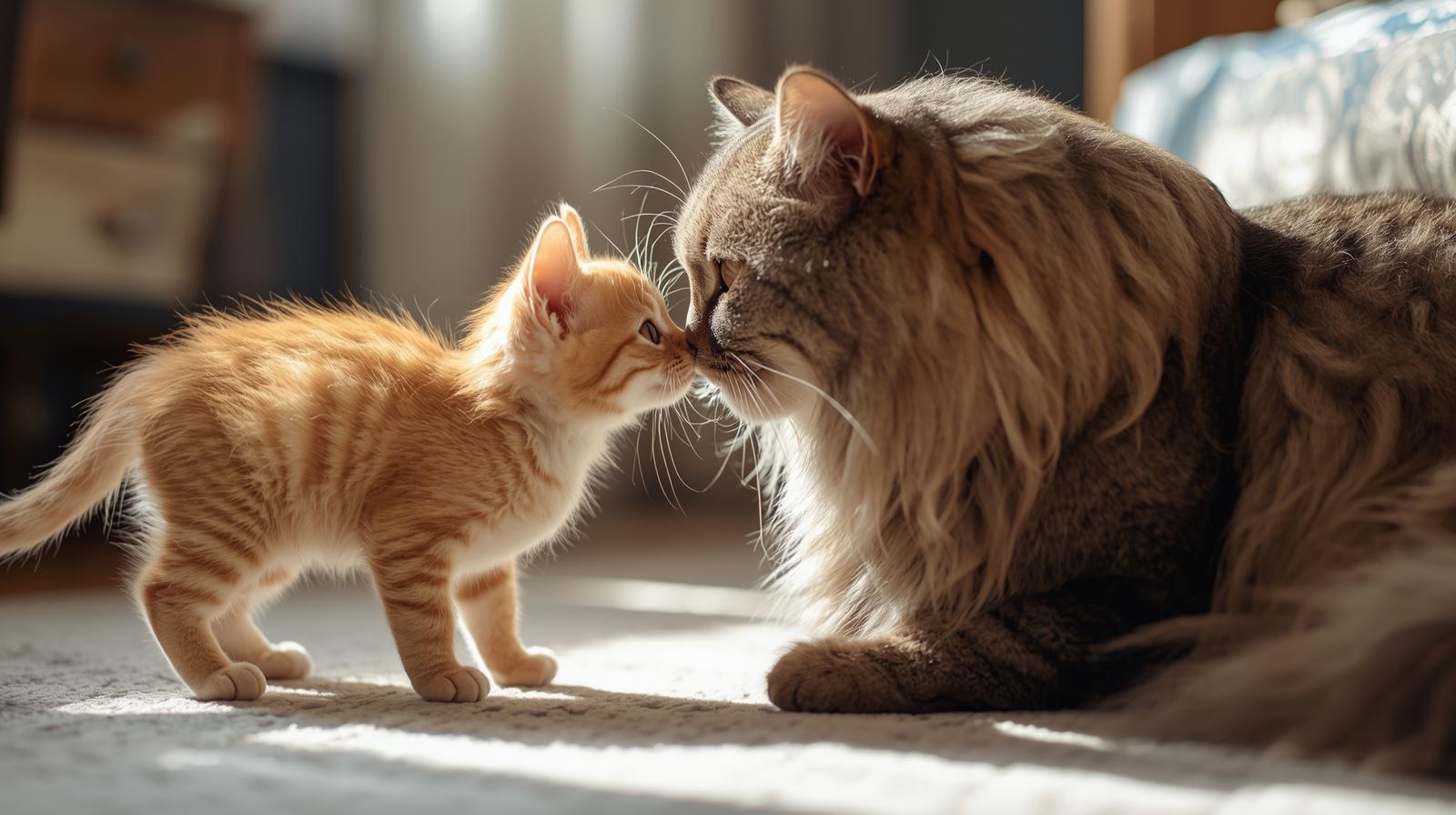
Has your cat been acting differently lately? Changes in behavior can sometimes mean your feline friend is feeling lonely – especially after the loss of a long-time companion. Cats are independent creatures, but they also crave companionship—especially indoor cats.
When one cat in a bonded pair passes away, it’s natural to want to bring another cat home right away. However, it’s best to give your surviving cat time to grieve and adjust before introducing a new companion.
Even cats that have lived happily together for years may not want another partner after a loss. Every cat’s social needs are unique—some thrive on companionship, while others prefer solitude.
If you’ve found yourself wondering, “Does my cat need a friend?” this article explores five signs that your cat might benefit from having another feline companion.
Table of Contents
Five Signs Your Cat May Be Ready for a New Friend.
Before welcoming a new cat into your home, it’s important to make sure the timing and environment are right for everyone involved.
Cats value their personal territory, and each pet should have room to feel safe and comfortable. Because introducing a new companion can shift the household dynamic, it’s important to take stock of how many pets you already have and how they interact with one another.
Budget is another key factor, as every new pet adds to the cost of food, veterinary care, and supplies.
Finally, consider your schedule and how much time you can dedicate to nurturing another animal. Taking these steps helps create a stable, loving environment where all pets can thrive.
Once you’ve considered these factors and feel confident that your home is ready, you can begin looking at your cat’s behavior and needs to determine whether they might benefit from having a furry companion.
If your cat demonstrates any of the following changes in behaviour, they may be trying to tell you that they could benefit from a new companion:
1. Change in Sleeping Habits
Has your cat started sleeping more than usual or interacting with you less? Loneliness can lead to melancholy and longer naps, much like how humans might sleep more when they’re feeling down.
That said, any significant change in sleep patterns should always be checked out by a veterinarian first. Schedule an exam with a member of our Regal Animal Hospital team to rule out any underlying medical issues before deciding whether another cat might be the solution.
2. Clinginess or Attention-Seeking Behaviour
If your cat has suddenly become extra clingy—following you from room to room, vocalizing more often, or demanding constant attention—she may be craving more social interaction. This behavior could signal boredom, separation anxiety, or simply a desire for companionship.
3. Excessive or Reduced Grooming
Cats often groom themselves to relax, but overgrooming can be a sign of emotional distress or loneliness. On the other hand, if your cat has stopped grooming altogether and her coat looks dull or scruffy, she could be feeling sad or unwell.
Because both overgrooming and lack of grooming can indicate health concerns, it’s important to consult your vet before assuming loneliness is the cause.
4. Litter Box Problems
Stress and loneliness can cause even the most well-trained cat to start avoiding the litter box. If your cat begins urinating outside of it, take this as an early warning sign that something’s wrong—much like a “check engine” light for your cat’s emotional well-being.
Contact your vet right away to determine whether the issue is behavioral or medical.
5. Changes in Eating Habits
A sudden increase or decrease in appetite can also be a red flag. Some cats overeat when they’re bored or lonely, while others may lose interest in food altogether. Because eating changes can stem from health issues as well as emotional ones, consult your veterinarian before assuming your cat’s appetite shift is due to loneliness.
Considering a Second Cat
If your veterinarian rules out medical causes and you suspect your cat is lonely, a feline friend might be the perfect solution. However, not every cat wants to share their space. Here are a few things to consider before bringing home another cat:
- Territorial behavior: Does your cat react aggressively when neighborhood cats wander near your home? If so, she might prefer being the only cat. (Some breeds, such as Bengals, are happiest as single cats.)
- Family ties: Related cats tend to get along better than unrelated ones.
- Age matters: Kittens and younger cats generally adjust more easily to a new feline roommate.
- Neutering helps: Spayed and neutered cats are typically more accepting of other cats.
- Space to retreat: Ensure your home has enough room for each cat to have their own territory and private resting spots.
We’re Here for You.
If your cat is showing any of the behaviors mentioned above, schedule a visit with Regal Animal Hospital. Our compassionate team will help determine whether your cat’s behavior stems from loneliness, stress, or a medical condition—and guide you in deciding whether another cat might be the right fit for your family.
Is your cat showing signs of loneliness or behavioral change? Contact us today to book an exam for your feline friend and ensure they’re happy, healthy, and thriving.

Send us a Message

Visit Our Office

Call Us Today
