
Human Foods Your Cat or Dog Should Never Eat
And healthy treat alternatives you can share in moderation.
As devoted pet parents, we all want to share the joy of mealtime with our furry family members. But unlike people, cats and dogs have very different digestive systems and nutritional needs. Some foods that seem harmless—or even healthy—to humans can make pets seriously ill or, in rare cases, be life-threatening. Understanding which human foods are dangerous is one of the simplest ways to protect your four-legged companion.
Table of Contents
Foods That Are Toxic to Cats and Dogs
When your pet starts giving you those sad eyes, it’s natural to want to share the food off our plate with them, but many human foods – even in the smallest amounts – can lead to stomach upset or even cause serious health problems.
Below is a list of foods you should avoid feeding your cat or dog:
1. Chocolate & Caffeine
Chocolate contains theobromine and caffeine, stimulants that pets process very slowly. In both dogs and cats, even a small amount of chocolate—especially dark or baking chocolate—can lead to vomiting, diarrhea, rapid heartbeat, tremors, seizures, and in severe cases, death. Coffee, tea, energy drinks, and caffeine pills carry similar risks, so be sure to keep them out of your pet’s reach.
2. Grapes and Raisins
Grapes and raisins can be extremely dangerous for dogs. In some dogs, even a small amount can lead to sudden kidney failure. Since dogs react unpredictably and the exact toxic mechanism is not fully understood, any exposure amount is considered unsafe and necessitates immediate veterinary care.
3. Onions, Garlic, and Allium Vegetables
All forms of onions, garlic, leeks, chives, and related vegetables contain compounds that can damage red blood cells in both cats and dogs, leading to a serious condition called Heinz body anemia (a form of hemolytic anemia). This includes raw, cooked, powdered, and dried forms.
4. Artificial Sweeteners
Many sugar-free foods contain xylitol, a sweetener that is extremely dangerous to dogs. Xylitol is commonly found in gum, candies, baked goods, peanut/nut butters, and even toothpaste. Because it is so widely used, it’s safest to avoid giving dogs any foods containing artificial sweeteners.
In dogs, xylitol causes a sudden insulin release, leading to a rapid, life-threatening drop in blood sugar – similar to a human insulin overdose. Signs can include vomiting, weakness, loss of coordination, seizures, collapse, liver failure, and dealth. Exposure necessitates immediate veterinary care.
Cats do not appear to have such a high sensitivity to xylitol but still experience an insulin release. Therefore, it should be avoided in cats as well and handled as an emergency if there has been any known exposure.
5. Alcohol & Raw (Unbaked) Dough
Alcohol can cause dangerous nervous system depression in pets as it can in people. Ingestion of raw yeast dough can expand in the stomach and produce ethanol which is rapidly absorbed, causing painful bloating and alochol poisoning. This can cause two dangerous situations – alcohol intoxication and risk of serious intestinal damage secondary to food bloat.
6. Macadamia Nuts
These nuts are specifically toxic to dogs and can cause weakness, tremors, vomiting, and elevated body temperature. While rarely fatal, symptoms can last up to 48 hours.
7. Avocados
A compound called persin is found in avocados and can cause mild stomach upset in pets. More importantly, dogs may ingest the large pit which poses a serious choking hazzard and risk of intestinal blockage.
8. High-Fat and Fried Foods
Foods high in fat—such as bacon, fried chicken skin, greasy table scraps, and heavily seasoned meats—can trigger pancreatitis, a painful inflammation of the pancreas that often requires veterinary care.
Other Foods That Require Caution
Some human foods aren’t inherently toxic but may cause digestive upset or other problems in pets and should be avoided.
-
- Dairy: Many adult cats and dogs are lactose intolerant, which can lead to diarrhea and gas.
- Cooked Bones: These can splinter and cause choking or internal injury.
- Salt and Salty Snacks: Too much sodium can lead to increased thirst, dehydration, or even salt toxicity.
- Raw Eggs & Meat: These carry risks of bacteria like Salmonella or E. coli, and raw egg whites contain a protein that can interfere with nutrient absorption.
If your pet consumes any toxic or questionable food, keep a close eye on them and contact your veterinarian immediately. Time can be critical when dealing with food poisoning.
Healthy Treat Alternatives You Can Share in Moderation.
Not all human foods are harmful—in fact, many can make great occasional treats!
1. Lean Proteins
-
- Plain cooked chicken, turkey, or lean beef (remove all bones, skin, and seasoning).
- Fully cooked, boneless fish like salmon or tuna offers beneficial omega-3 fatty acids.
2. Fresh Fruits
-
- Apples (no seeds), blueberries, watermelon, and bananas are safe and offer vitamins and antioxidants. Remember to remove seeds and pits, which can be dangerous.
3. Vegetables
-
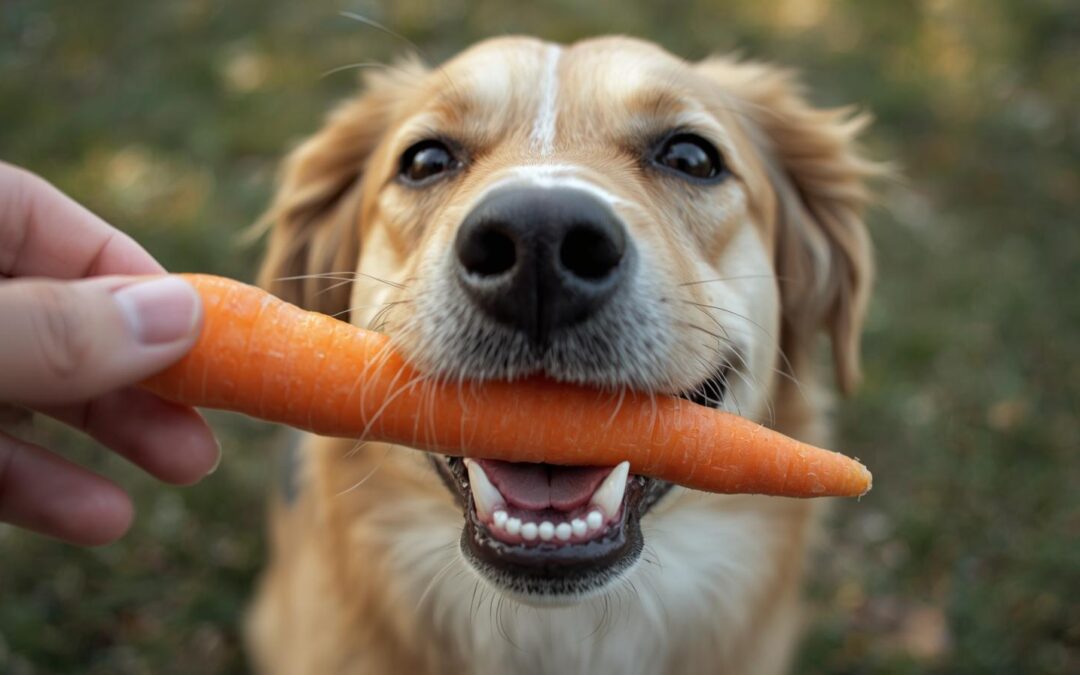
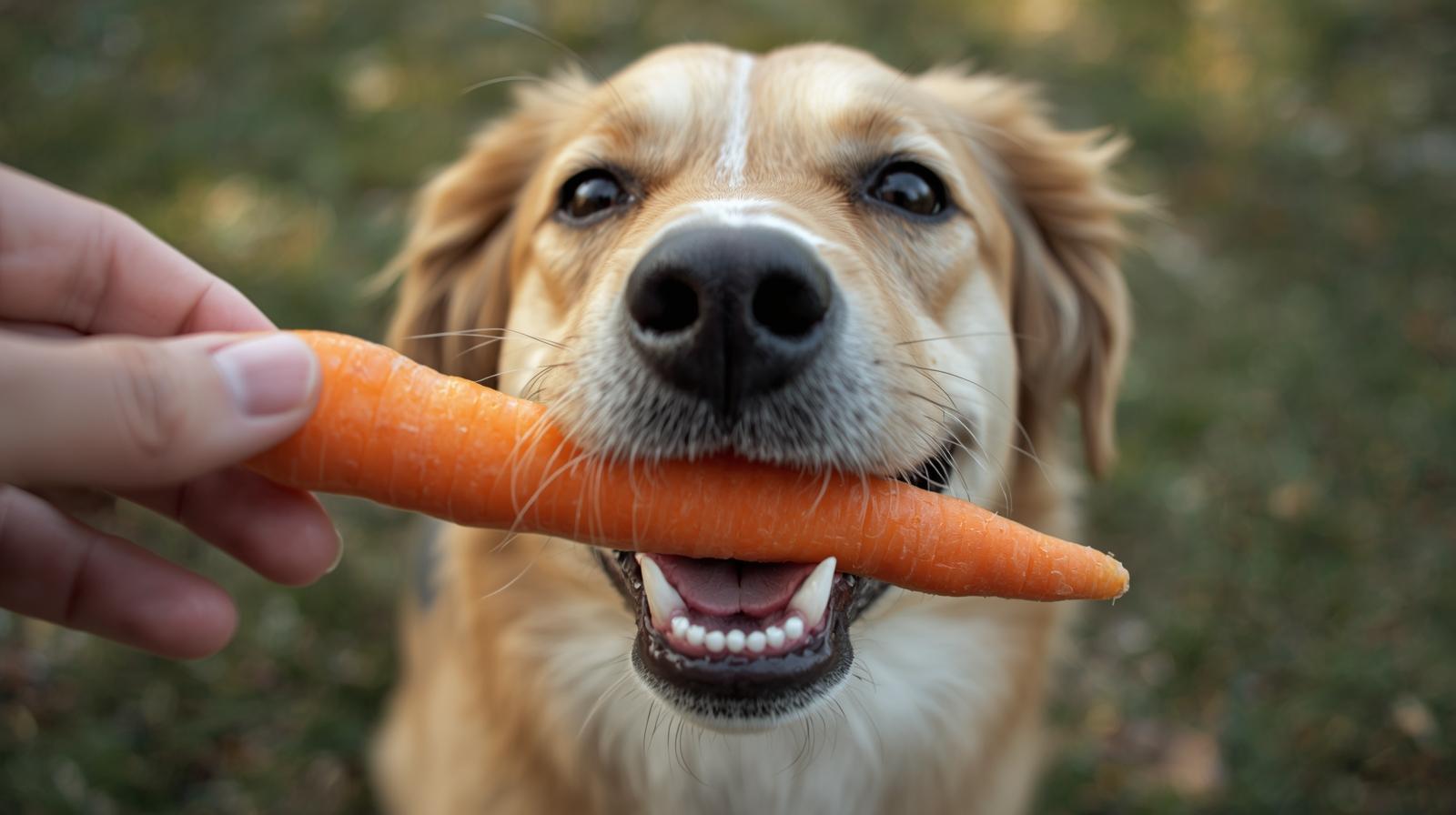
- Carrots, green beans, cucumbers, and cooked plain sweet potato are nutritious and pet-friendly. Most pets enjoy them when offered plain and unseasoned.
4. Plain Grains
-
- Plain cooked white or brown rice and oatmeal can be soothing for upset stomachs and serve as an easy-to-digest energy source.
5. Peanut Butter
-
- Unsalted, natural peanut butter free of xylitol can be an occasional treat or a fun way to give medication.
6. Air-Popped Popcorn
-
- Plain (no butter, salt, or seasoning) makes a low-calorie crunchy treat—just avoid kernels that haven’t popped.
Tip: Treats and human foods should never make up more than about 10 % of your pet’s daily calories. The rest should come from a complete, balanced pet diet.
Still Have Questions? Consult Your Regal Animal Hospital Veterinarian.
Your pet’s safety and wellbeing are Regal Animal Hospital’s top priorities. While it’s natural to want to share your food, some human foods pose serious risks, and others can be wholesome rewards when offered responsibly.
Still have questions? When in doubt, reach out to your veterinary care team for guidance tailored to your pet’s age, size, and health history. Contact us today to book an exam for your furry friend.

Send us a Message

Visit Our Office

Call Us Today
