
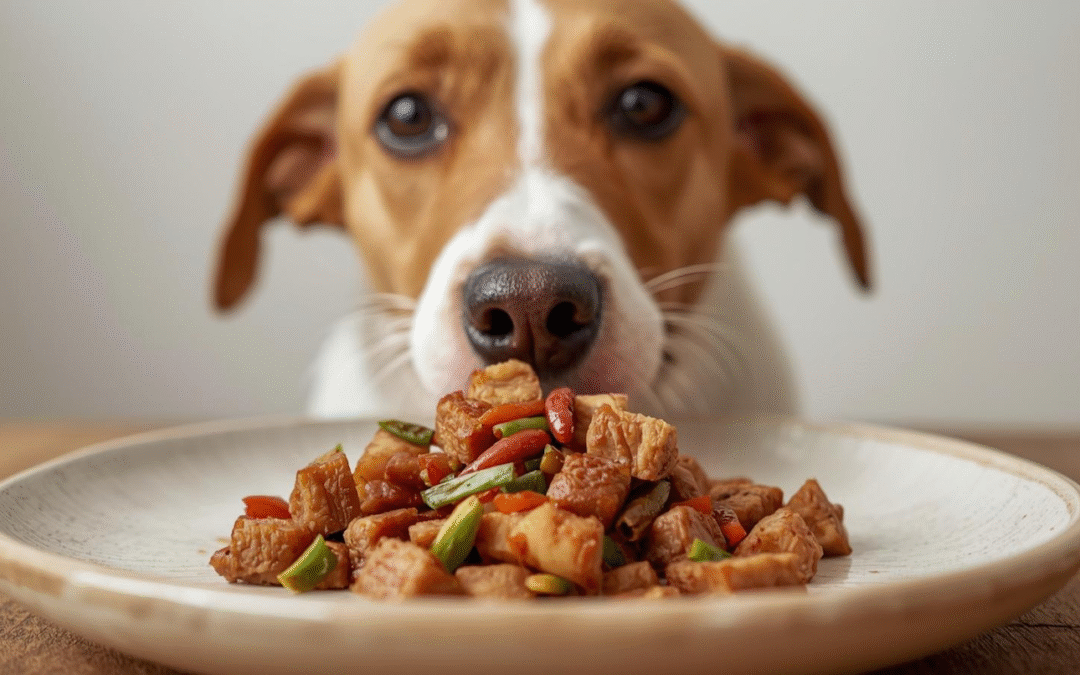
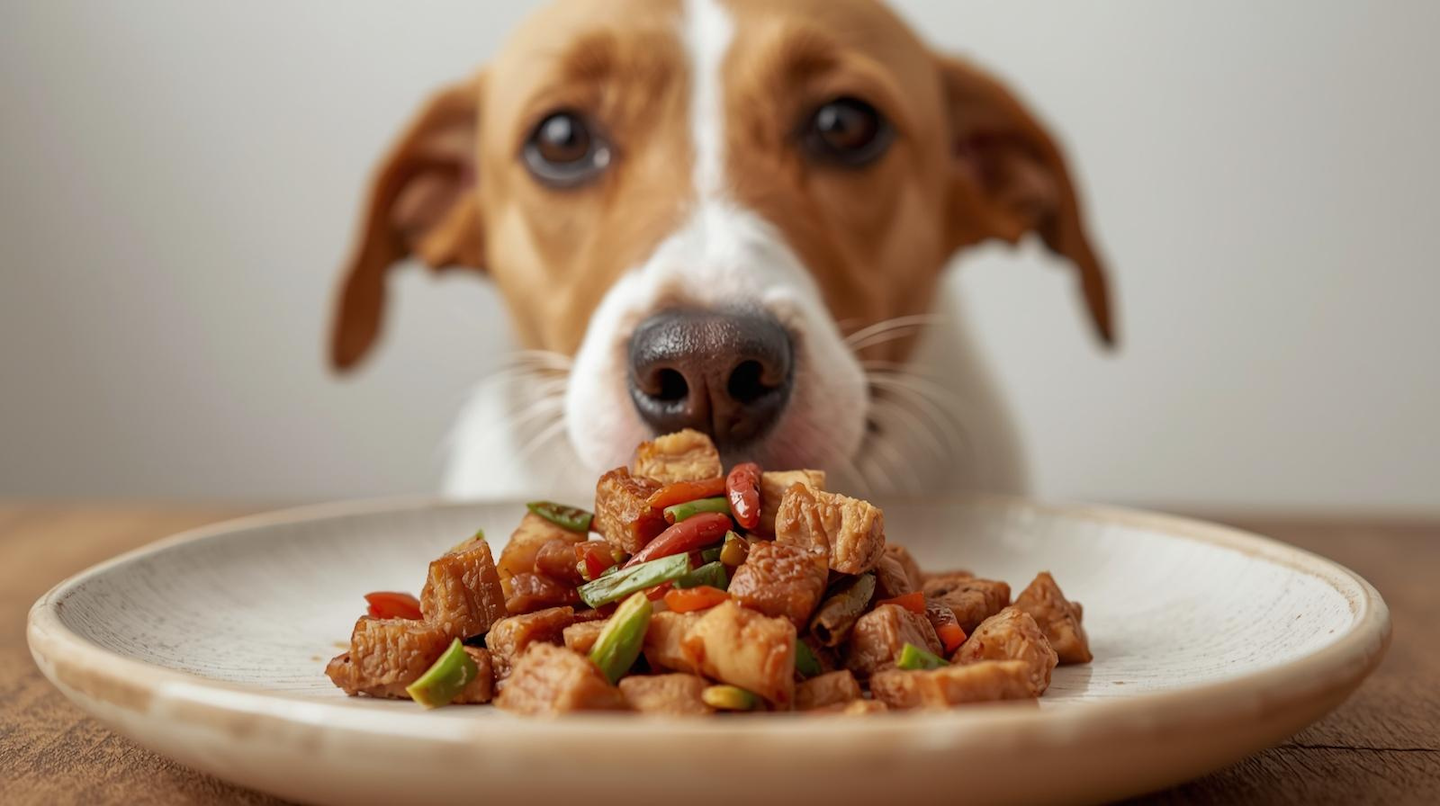
Urinary Stones: Is Your Dog’s Diet Increasing Risk of Stone Development?

Urinary stones in dogs are on the rise in the U.S.  The newer “fresh” pet diets have been identified as a likely cause.
 

Make an Appointment
A pet owner tracks their car through a smart collar and phone app demonstrating how smart collars and pet wearables work.

Urinary stones, also called uroliths, are becoming more common in dogs across the United States. These stones form in the bladder or urinary tract when minerals in the urine crystallize and clump together. The condition can be painful, lead to urinary blockages, and sometimes require surgery.

Recently, researchers at the University of Minnesota’s College of Veterinary Medicine discovered a new type of urinary stone in dogs—calcium tartrate tetrahydrate (CaTT). They identified diet as a likely cause – specifically, those with higher levels of choline and tartrate – commonly found in dietary supplements as well as some foods such as eggs, liver, and cruciferous vegetables. 

This report highlights nutrition’s role in urinary stones and gives well-intentioned pet owners new reasons to take a closer look at what goes into their dog’s food bowl.

The Role of Diet in Stone Formation 

Diet has long been linked to urinary stone risk. Certain nutrients, minerals, and even supplements can alter urine chemistry in ways that either prevent or promote stone formation.  Dietary factors to consider:

  • Newer “fresh” diets with higher amounts of choline bitartrate, identified in fresh dog food brands such as “The Farmer’s Dog, Justfoodfordogs, and Nom Nom”, have resulted in development of the CaTT stones (University of Minnesota, Profiles VetMed).  These were identified in dogs for the first time a few years ago through University of Minnesota Urolith Center, which analyzes more than 80,000 stones annually from veterinarians worldwide.
  • High-oxalate foods (like spinach, beets, and nuts) may increase risk for calcium oxalate stones in dogs that are genetically predisposed.
  • High-protein, low-moisture diets can lead to more concentrated urine, which favors stone growth when a predisposition is present.


    What Pet Owners Can Do.

    Urinary stones can cause symptoms ranging from blood in the urine and frequent urination to painful blockages requiring emergency care. Because diet plays such an important role in your pet’s overall health, prevention often starts with what you feed your dog.

    Tips for Pet Owners:

    • Weigh risk/benefit when considering “fresh” pet foods, known to be higher in choline bitartrate.
    • Provide fresh water at all times to help prevent overly concentrated urine.
    • Work with your veterinarian before making dietary changes or starting supplements, to discuss potential risks.
    • Watch for warning signs like straining to urinate, accidents in the house, or blood in the urine.

    Still Have Questions About Your Pet’s Diet?  We Can Help.

    The discovery of CaTT urinary stones is a reminder that what goes into your dog’s diet can directly impact long-term health.

    If you have questions about your dog’s diet, or if your pet has shown any signs of urinary problems, contact your veterinarian. Dietary options can be discussed as well as any relevant risk factors to consider.  If your dog has urinary symptoms of potential concern, diagnostics can be pursued to help identify and address the underlying cause. 

    For expert advice and compassionate care, schedule a visit with Regal Animal Hospital today!

    Send us a Message

    Visit Our Office

    8906 Lantana Road Lake Worth, FL 33467

    Call Us Today

    (561) 766-1380

    Follow Us

    Why Routine Lab Screenings for Pets Matter

    Why Routine Lab Screenings for Pets Matter  Discover why routine lab screenings are essential for early disease detection and prevention.  Make an AppointmentAs devoted pet owners, we all want our dogs and cats to live long, healthy, and vibrant lives....

    The Complete 2026 Guide to Traveling with Pets

    The Complete 2026 Guide to Traveling with Pets  8 Simple Steps You Can Take to Make Traveling Easier on Your Dog or Cat  Make an AppointmentEvery spring, snowbirds begin the process of packing up and heading home for the summer months. Traveling can be  an...

    Human Foods Your Cat or Dog Should Never Eat

    Human Foods Your Cat or Dog Should Never Eat And healthy treat alternatives you can share in moderation.Make an AppointmentAs devoted pet parents, we all want to share the joy of mealtime with our furry family members. But unlike people, cats and dogs have very...

    Your Pet’s Oral Health: Why It Matters More Than You Think.

    Your Pet's Oral Health: Why It Matters More Than You Think.What every pet owner should know.  Make an AppointmentDental disease is one of the most common—and most overlooked—health problems in dogs and cats. In fact, more than 80% of dogs and over 70% of cats...

    Does My Cat Need a Friend?

    Does My Cat Need a Friend?How to tell if a new companion is right for your cat.  Make an AppointmentHas your cat been acting differently lately? Changes in behavior can sometimes mean your feline friend is feeling lonely - especially after the loss of a long-time...

    Knowing When It’s Time to Say Goodbye

    Knowing When It's Time to Say Goodbye.Knowing when it's time to say goodbye can be difficult. Your veterinarian can help you assess your pet’s quality of life and explore compassionate, end-of-life care options.  Make an AppointmentSaying goodbye to a cherished...

    Understanding Hearing Loss in Dogs: Causes, Care, and Veterinary Solutions

    Understanding Hearing Loss in Dogs: Causes, Care, and Veterinary SolutionsAt Regal Animal Hospital, our team is here to support you and your four-legged family member with compassionate care and practical solutions.   Make an AppointmentJust like people, dogs can...

    Urinary Stones: Is Your Dog’s Diet Increasing Risk of Stone Development?

    Urinary Stones: Is Your Dog's Diet Increasing Risk of Stone Development?Urinary stones in dogs are on the rise in the U.S.  The newer "fresh" pet diets have been identified as a likely cause.  Make an AppointmentUrinary stones, also called uroliths, are becoming...

    Keeping Your Furry Friends Safe and Healthy With Smart Collars and Pet Wearables

    Keeping Your Furry Friends Safe and Healthy With Smart Collars and Pet Wearables.Discover emerging tools for keeping tabs on your pet's health.  Make an AppointmentKeeping your furry friends safe and healthy is our top priority at Regal Animal Hospital.  In this...

    Zoomies

    Zoomies: What Are They and Why Does My Pet Get Them?Generally, not a problem, but there still may be a need to consult your veterinarian.  Make an AppointmentIf you’ve ever seen your pet suddenly burst into a frenzy of running, jumping, or spinning, you’ve...