Why Routine Lab Screenings for Pets Matter
Discover why routine lab screenings are essential for early disease detection and prevention.
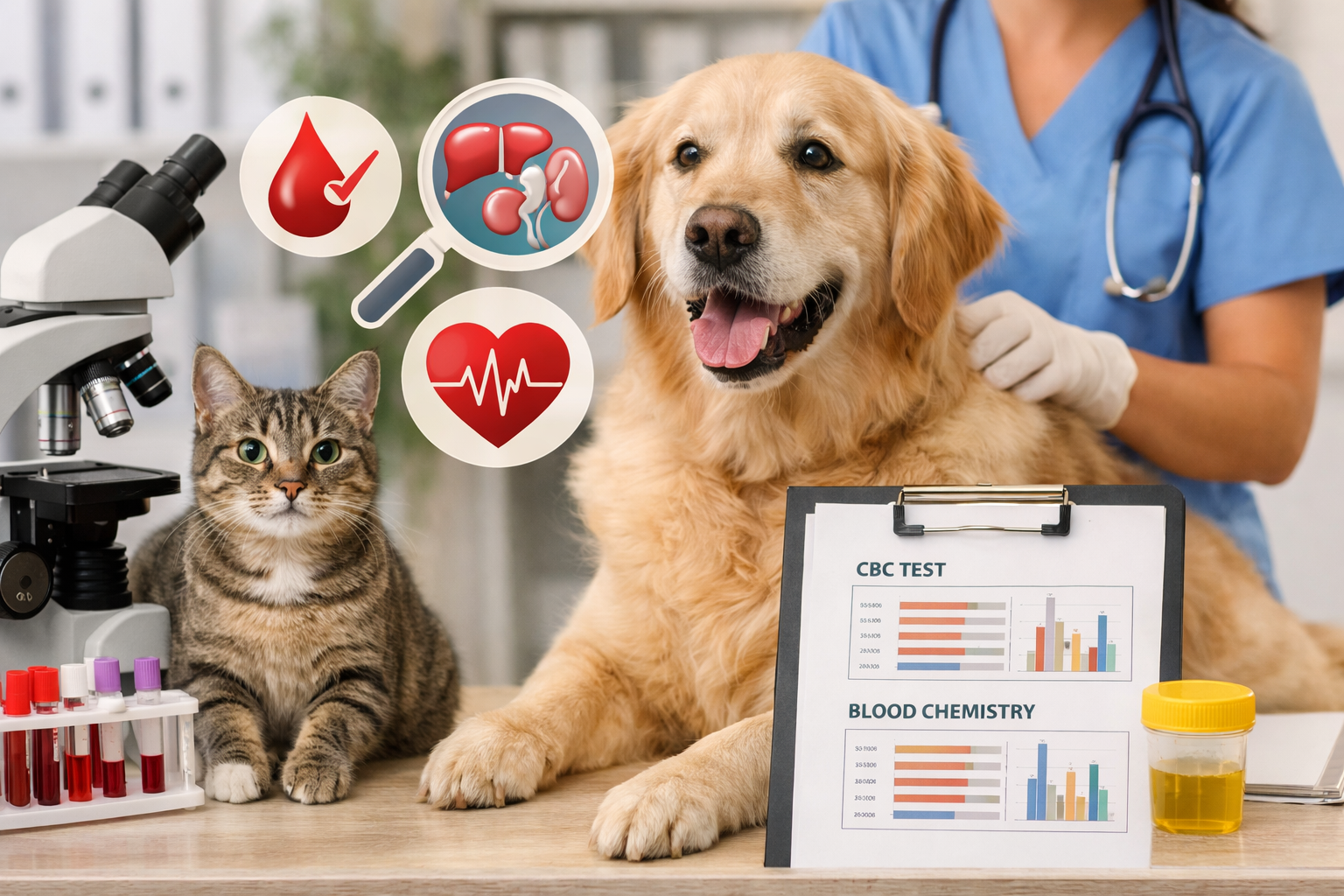
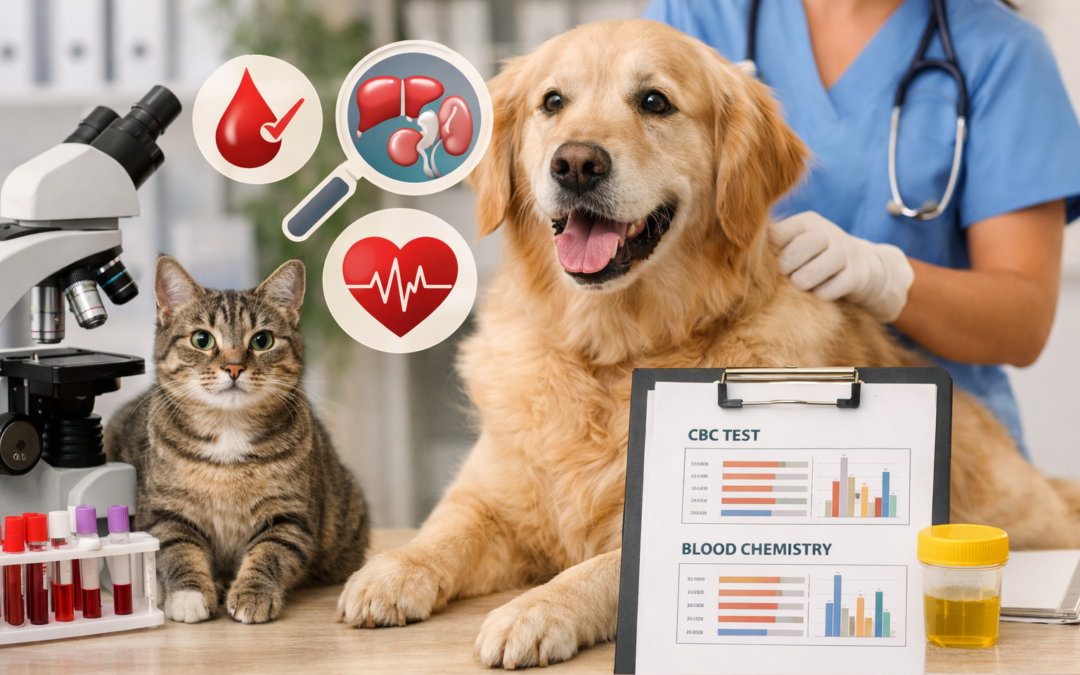
As devoted pet owners, we all want our dogs and cats to live long, healthy, and vibrant lives. Regular checkups, proper nutrition, exercise, and vaccinations all play important roles in preventive care. But one of the most powerful — and often overlooked — tools in protecting your pet’s health is routine laboratory screening.
Many diseases in pets develop quietly. In fact, dogs and cats are experts at hiding illness. By the time visible symptoms such as lethargy, appetite changes, or weight loss appear, a condition may already be advanced.
At Regal Animal Hospital, we use advanced diagnostic tools to detect health concerns early — often before your pet shows any outward signs. Routine lab work helps us identify potential issues, monitor organ function, and guide treatment decisions that protect your pet’s long-term well-being.
In this blog post, we’ll explore why routine lab screenings are so important — and what those common test results really mean.
Table of Contents
Why Routine Lab Work is Essential for Pet Wellness
Laboratory testing provides valuable insight into what’s happening inside your pet’s body. While a physical exam evaluates what we can see and feel, lab work evaluates internal health at a cellular and biochemical level.
Routine testing helps us:
- Detect many diseases in the earliest stage
- Establish baseline values unique to your pet for future comparison
- Monitor chronic conditions like diabetes or kidney disease
- Ensure medications are safe and properly dosed
- Evaluate organ function as pets age
- Provide peace of mind for pet owners regarding their pet’s health
For healthy adult pets, annual bloodwork is typically recommended. Senior pets — generally age 7 and older for larger breeds and 9-10 for smaller breeds and cats— often benefit from lab screenings every six months. Puppies and kittens may require specific screening tests during their first year to ensure healthy development. If your pet has an existing condition, more frequent screenings may be necessary to monitor how they may be responding to treatment or other changes in their health.
Regular, preventive lab testing is a cornerstone of comprehensive veterinary care.
The Most Common Routine Lab Tests and What They Measure
Understanding what these tests evaluate can help you feel more confident and informed about your pet’s care.
1. Complete Blood Count (CBC)
A Complete Blood Count, or CBC, evaluates the cells circulating in your pet’s bloodstream. This test provides critical information about infection, inflammation, immune health, and anemia.
Key components your veterinarian is looking at include:
Red Blood Cells (RBCs):
These cells carry oxygen throughout the body.
- Low RBC count may indicate anemia, blood loss, or chronic disease.
- High RBC count may suggest dehydration.
White Blood Cells (WBCs):
White blood cells help fight infection.
- Elevated WBC levels can indicate infection, inflammation, stress, or immune disorders.
- Low levels may suggest bone marrow concerns or certain viral diseases.
Platelets:
Platelets help blood clot properly.
- Low platelet levels increase bleeding risk.
- Abnormal levels may signal immune-mediated disease or bone marrow issues.
2. Blood Chemistry Panel
A chemistry panel evaluates organ function and metabolic health. This test looks at enzymes, proteins, electrolytes, and waste products in the bloodstream.
Common values include:
BUN (Blood Urea Nitrogen) & Creatinine: These values assess kidney function. Elevated levels may suggest kidney disease or dehydration. Trending increases over time can signal early kidney changes before symptoms appear.
ALT & ALP (Liver Enzymes): These enzymes help evaluate liver health. Increased levels may indicate liver inflammation, infection, toxin exposure, or medication effects.
Glucose: Measures blood sugar levels. High glucose may indicate diabetes. Low glucose can be associated with metabolic disorders or insulin imbalances.
Electrolytes (Sodium, Potassium, Chloride): These regulate hydration, nerve function, and muscle contraction. Imbalances may signal dehydration, kidney disease, or adrenal disorders.
Chemistry panels are especially valuable for senior pet bloodwork, as early organ changes are common with aging.
3. Urinalysis
Urinalysis is a simple but powerful diagnostic tool that complements bloodwork. It provides additional insight into kidney health, hydration status, and urinary tract function.
A urinalysis evaluates:
- Urine concentration
- Protein levels
- Glucose
- Blood
- Bacteria
- Sediment (cells or crystals)
For example:
- Dilute urine may indicate kidney dysfunction or raise suspicion for certain diseases (Cushing’s, diabetes insipidus).
- Protein in the urine can be one of the earliest signs of a specific kidney condition called protein losing nephropathy — even when bloodwork appears normal.
- Glucose in urine can suggest the presence of diabetes and can be utilized for monitoring a diabetic patient’s control as well.
Because kidney disease is common in both aging dogs and cats, urinalysis is a critical component of pet wellness in Palm Beach County.
4. Thyroid Testing (T4)
Thyroid hormone testing measures T4 levels to evaluate thyroid function.
In dogs, low thyroid hormone levels (hypothyroidism) can cause:
- Weight gain
- Lethargy
- Hair loss
- Skin infections
In cats, elevated thyroid hormone levels (hyperthyroidism) are common in middle-aged and senior pets and may cause:
- Weight loss despite increased appetite
- Hyperactivity
- Increased thirst
The good news? Thyroid disorders are highly manageable when detected early through routine screening.
5. Blood Parasite Screening (Dogs)
In Florida’s warm climate, mosquito- and tick-borne diseases are a year-round risk. We recommend annual blood parasite screening, which tests not only for heartworm disease (transmitted by mosquitoes), but also for several common tick-borne infections that can impact your pet’s health. Many of these diseases may be present without obvious symptoms in the early stages. Routine screening allows for early detection, more effective treatment, and helps ensure your pet stays healthy year-round.
6. Fecal Testing
Fecal exams screen for intestinal parasites such as:
- Roundworms
- Hookworms
- Whipworms
- Giardia
Many infected pets show no visible symptoms. Routine testing protects not only your pet’s health but also your family’s health, as some parasites can be transmitted to humans.
How to Understand Lab Results
It’s natural to feel concerned if you see values marked “high” or “low” on a lab report. However, it’s important to remember:
- Normal ranges are guidelines based on population averages.
- Mild abnormalities may not indicate disease or any medical concern.
- Trends over time are often more important than a single reading.
Veterinarians interpret results in context — considering your pet’s age, breed, medical history, medications, physical exam findings, and symptoms.
At Regal Animal Hospital, we take the time to explain your pet’s results clearly and answer any questions. Our goal is to empower you with knowledge, not overwhelm you with numbers.
The Power of Early Detection
Routine lab screenings allow us to detect subtle changes associated with:
- Early kidney disease
- Liver dysfunction
- Diabetes
- Thyroid disorders
- Infections
- Inflammatory conditions
- Certain cancers
When detected early, many of these conditions can be managed successfully for years — preserving your pet’s comfort and quality of life.
Early intervention often means:
- Less invasive treatment
- Lower long-term medical costs
- Better prognosis
- Longer, healthier lives
Routine lab work isn’t just diagnostic — it’s preventive medicine.
Partnering in Your Pet’s Lifelong Health
Preventive care is one of the greatest gifts you can give your pet. Routine lab screenings provide critical insights that cannot be detected through physical examination alone.
If your pet hasn’t had recent bloodwork — or if you have questions about past test results — we’re here to help.
Contact Regal Animal Hospital today to schedule your pet’s wellness exam.

Send us a Message

Visit Our Office

Call Us Today
