
Managing Feline Diabetes Can Be as Easy as 1 Pill a Day
Alternatives to Daily Insulin Injections
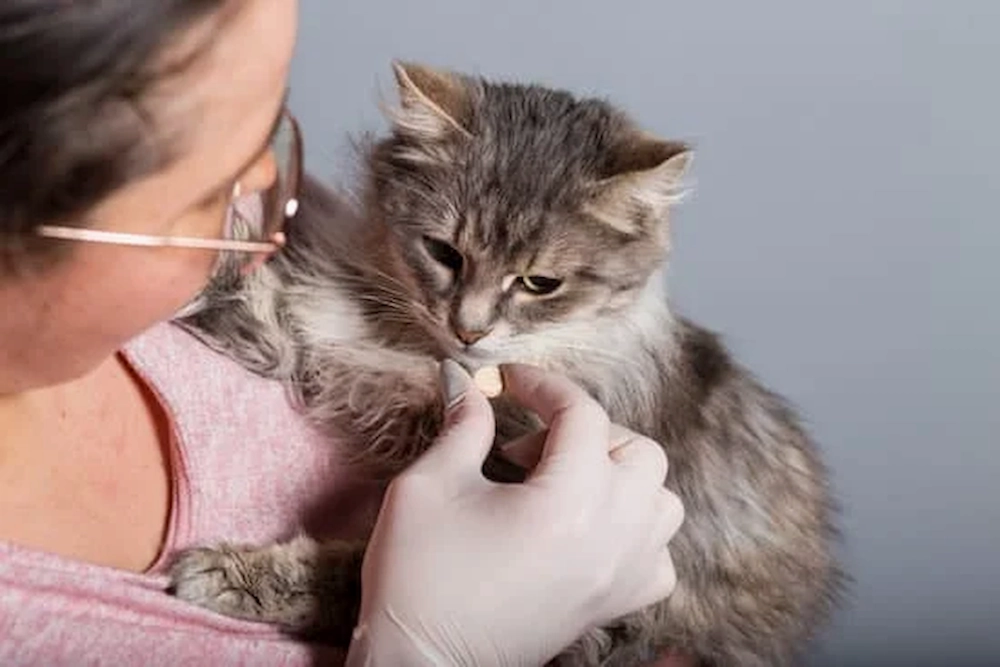
Managing feline diabetes can be as easy as 1 pill a day with advancements in needle-free, less-invasive alternatives to daily insulin injections.
Traditionally, insulin injections or pre-measured insulin pens have been the primary method of treatment for feline diabetes. This can be very tough on pet parents who may be uneasy with administering injections in general, and especially if their cat is less than cooperative. In addition, for some pet owners, their daily schedules often interfere with their ability to administer insulin twice daily at very specific times. Regrettably, these challenges often leave many pet owners feeling like they have no alternative but to euthanize their beloved companion.
While not entirely needle-free, insulin pens offer a more convenient and less intimidation alternative for managing feline diabetes. They come pre-loaded with insulin cartridges and provide a more controlled and accurate dosage. However, in recent years, there have been advancements in developing less-invasive alternatives for managing feline diabetes.
Table of Contents
Feline Diabetes: What It Is and How It Affects Your Cat
Feline diabetes is a metabolic disease in which too much glucose, builds up in your cat’s blood. In a healthy cat, their body breaks down the food it eats into sugar that gives it the energy it needs to function. However, just like humans, cats can develop diabetes – a metabolic disease in which their body cannot properly regulate their blood sugar levels.
A cat with diabetes will exhibit several signs that their body is not properly regulating blood sugar levels. Common symptoms of feline diabetes include:
- Increased urination in both volume and frequency
- Urinating outside the litter box
- Weight loss even though they have a healthy appetite
- Excessive thirst
- A noticeable decrease in activity, energy and interest in thing like their favorite toys
- In some cases, cats may develop a platigrade stance resulting from weakness in their hind legs caused by nerve damage (walking or standing with their heels near the ground)
If your cat displays any of these symptoms of feline diabetes, it’s important to talk with your vet immediately.
Treatment Methods for Managing Feline Diabetes
Recent advances in veterinary medicine have made managing the disease more accessible and less stressful for both pet owners and their cats. These treatments provide and effective and user-friendly alternative to traditional injection methods.
Oral Medications: While insulin is commonly used, there have been significant breakthroughs in the use of oral medications to treat feline diabetes. These medications aim to regulate the blood sugar levels without the need for injections. Your veterinarian may prescribe an oral hypoglycemic medication to stimulate insulin release or improve insulin sensitivity.
Dietary Management: Prescription diets formulated for diabetic cats can play a significant role in managing the condition. These diets are designed to regulate blood glucose levels and may include high-fiber, low-carbohydrate options. Proper nutrition is crucial, and some cats may experience improved glycemic control with a carefully controlled diet. In some cases, and under your veterinarian’s close monitoring, you may even be able to reduce or even eliminate your pet’s dependency on insulin and manage the disease through diet and exercise alone.
Continuous Glucose Monitors (CGM): CGM devices are becoming more common in managing diabetes in cats and have many advantages over traditional glucose monitoring devices. A small sensor disc with a probe is placed under the skin of the cat. This sensor tracks blood glucose levels. The monitor provides real-time data to pet owners and veterinarians. These devices ensure treatment plans can be more precisely tuned, and minimize the need for frequent blood draws.
Transdermal Gels: For some cats, transdermal gels are a great alternative to insulin injections for managing diabetes. Medication is applied to the cat’s ear skin, allowing for the absorption of the medication without the need for injections. Your veterinarian can best determine if this is a viable treatment option for your pet.
It’s important to note that the effectiveness of any these needle-free alternatives can vary from cat to cat. The choice of treatment depends on factors such as the severity of the diabetes, the cat’s overall health, and the pet parent’s ability to administer specific treatments. A full health assessment by your veterinarian is crucial to determining the most suitable and effective treatment plan for your cat.
An Ounce of Prevention
As with people, prevention is the best approach for managing feline diabetes. If your cat is overweight, you can help them by starting them on a veterinarian-approved cat weight loss program – managing their diet and making sure they get plenty of exercise. This is especially important for older cats who tend to become less active and gain weight as they age. You can keep your cat active by engaging in daily play time with them, and by giving them toys to stimulate their natural tendencies to run, jump and pounce.
This natural approach to weight management and exercise under your veterinarian’s guidance will go a long way toward preventing the onset of feline diabetes. It will also make it easier to manage your cat’s health if it has already been diagnosed with the disease.
If medication is needed, your veterinarian can recommend a course of therapy that’s right for your pet.
Consult Your Veterinarian for a Personalized Strategy
At Regal Animal Hospital, we have a deep understanding of feline diabetes and the health issues associated with the disease. First, we’ll perform an individualized assessment of your pet, taking into account their like age, medical history and any underlying concerns that may be impacting their overall health.
This personalized assessment enables us to tailor strategies to naturally manage your cat’s diabetes or prescribe medications if necessary. Our goal is to ensure that your cat can live its longest, best and healthiest life possible.

Send us a Message

Visit Our Office

Call Us Today
