
How to Prevent Your Pet from Running Away
… and what to do if they do.
Your dog slips out of its collar and runs. Your cat dashes through an open door and escapes over the fence. It’s a haunting fear of every pet parent. For our pets, it can also be a scary time as their newfound freedom can take them into uncharted spaces. In moments like these, it’s difficult to know exactly what to do.
In this blog post, we’ll explore how to prevent your pet from running away and what to do if they do.
Table of Contents
It may seem like an obvious statement, but dogs and cats are different and how we respond to them running off requires somewhat different approaches. We compiled a list of tried and true methods for bringing your furry family member – either dog or cat – safely home.
Five Tips for Recalling your Dog
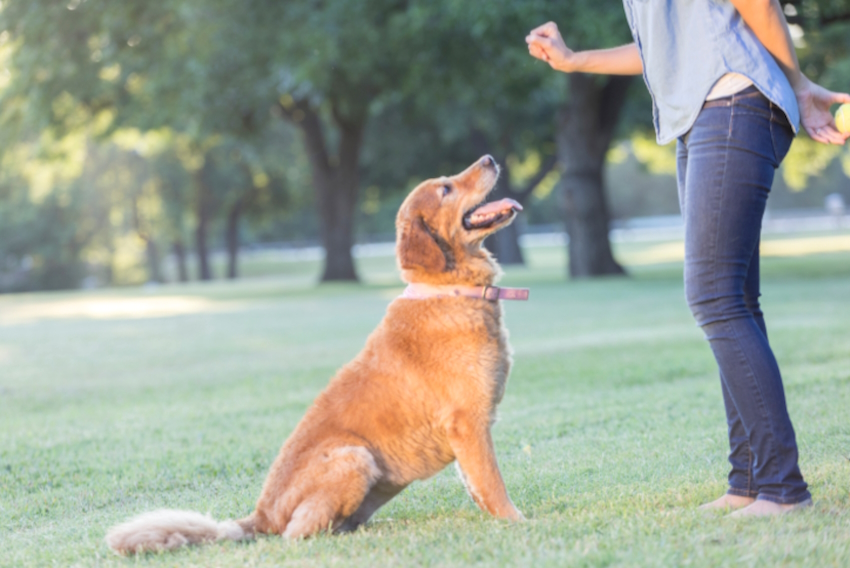
1. Recall Training as a First Line of Defense. Ideally, every dog and their owner should complete a behavioral training class that includes Reliable Recall Training. This is arguably one of the most important commands and skills for both you and your dog to learn. It gives you the assurance that your dog will immediately respond when called to come to you. When combined with positive reinforcement, it also gives your dog the assurance that returning to you when called will be a good experience.
Developing trust and this important skill in your dog will allow you to more confidently take them places like dog parks or open-space areas where they can run and play freely off-leash.
2. If They Run, Don’t Chase. This may go against every fiber of your being, but if your dog escapes, don’t engage in a game of chase with them. If your dog is already scared, chasing will only make them more anxious and likely to continue running. If your dog thinks it’s a game, the chase will encourage them to run even more.
Instead of chasing after them, if there is a stick or a favorite toy nearby, use it to entice your canine friend to return to you. Try turning it into an irresistable game they want to play. For example, one pet parent had a dog who loved to play with a toy they called “the Vortex”. The mere mention of this soft football with a whistle by name made the dog run to their human’s feet and sit ready to play. When their recall word, “Come!” didn’t work, they switched to, “Do you want to play Vortex?” and the dog returned immediately. This quick thinking allowed them to get the dog back on-leash.
If your dog is not responding to your normal “Come!” command, try turning it into a game they want to play in order to get them to return to you.
Continue working with your dog on recall training, but in an emergency situation, this technique can prove beneficial.
3. Always Use a Positive, Calm Voice. Dogs can sense our tone of voice and emotions. It’s important to always use a calm voice and positive reinforcement when working with pets. For example, if “Come!” is your recall word, you never want it to take on a negative association. Yelling will only make a scared dog more scared, and less likely to return to you. Always use a happy, reassuring tone and always praise them when they do come back to you – even if it takes some time. The use of positive reinforcement will encourage them to come when called.
4. Use Treats as a Reward. Let’s face it, we all like treats and our furry friends are no exception. When out with your dog, always keep a pocket full of their favorite treats and generously reward them when they respond to their recall word. This positive reinforcement will help them associate the recall as a good thing.
5. Create a Home Base. Sometimes our pets are overwhelmed by vast, open, natural spaces like the woods. If your dog runs away in a remote area, leave an article of clothing or blanket that has your scent on it. Your scent may attract your pup to return to the spot where the item rests. Search the vicinity and call to them, but when you return to the home base you created, you may find them laying on the blanket or clothing you left behind on the ground.
Three Tips for Recalling your Cat
Cats are a different breed all together. If your kitty appears missing, first check around your home. Cats are notorious for finding new, tucked-away places to take a long nap and they don’t always respond to a recall command like our canine friends. However, if you’ve explored every corner inside your home, and are certain they have escaped, there are a few things you can do.
1. Search around the outside perimiter of your home.
Typically, cats that spend time outside won’t wander too far away from their home base. This is especially true for indoor cats who don’t venture outdoors very often, if at all. In general, cats tend not to wander too far. A 2018 study published in the journal Animals, reported that most cats only venture approximately 1,640 feet away from home.
Cats love to hide in small, dark spaces, so search around your house first. Look under bushes, sheds or outbuilding, decks and porches – any area that provides good cover and protection. Chances are strong that they have hunkered down in a quiet place, so don’t give up too soon. It may take some time to coax them to come out, but they often return when called.
After searching around your own home, expand the circle of your search. Start by asking your neighbors if they have seen your kitty and if you can walk around their yard to call to them. Start with your immediate neighbors and branch out from there.
2. Expand Your Search Further with Social Media.
If you need to expand your search even further, social media is a great resource for pet parents hoping to locate a missing pet. Post a recent picture of your kitty on your neighborhood or community pages to expand your reach.
3. Create a Home Base.
Although less strong than a dog’s sense of smell, cats can still sniff out a familiar scent in the air from a distance. As with dogs, leave a scented article of clothing or blanket outside your door and let your cat follow it home. Although tempting, avoid setting out a bowl of your cat’s favorite treats or food as this could invite unwanted critters to your home. Save the food, treats and cuddles for when they return.
Still Have Questions on How to Prevent Your Pet from Running Away? Consult Your Veterinarian for a Personalized Strategy
At Regal Animal Hospital, we aim to provide you with access to the most current information and best resources for making informed decisions about your pet’s health and well-being.
If you’re still wondering how to prevent your pet from running away, there are a number of preventative measures you can take.
For both cats and dogs, spaying and neutering can help reduce the urge to roam. GPS collars, tracking chips and AirTags are other options to consider if you are concerned about your pet wandering. To learn more about these options, schedule a conversation with your veterinarian today.

Send us a Message

Visit Our Office

Call Us Today
