What is Clicker Training?

Clicker training is a form of dog training that utilizes positive reinforcement to achieve the desired outcome. Instead of the focus of training being on what a dog should NOT do, the intention of clicker training is to show the dog exactly what it is you DO want them to do. This not only builds a dog’s confidence as they make good choices and are rewarded, but it also streamlines the communication between you and your dog, meaning that results can come more quickly than standard forms of obedience training.
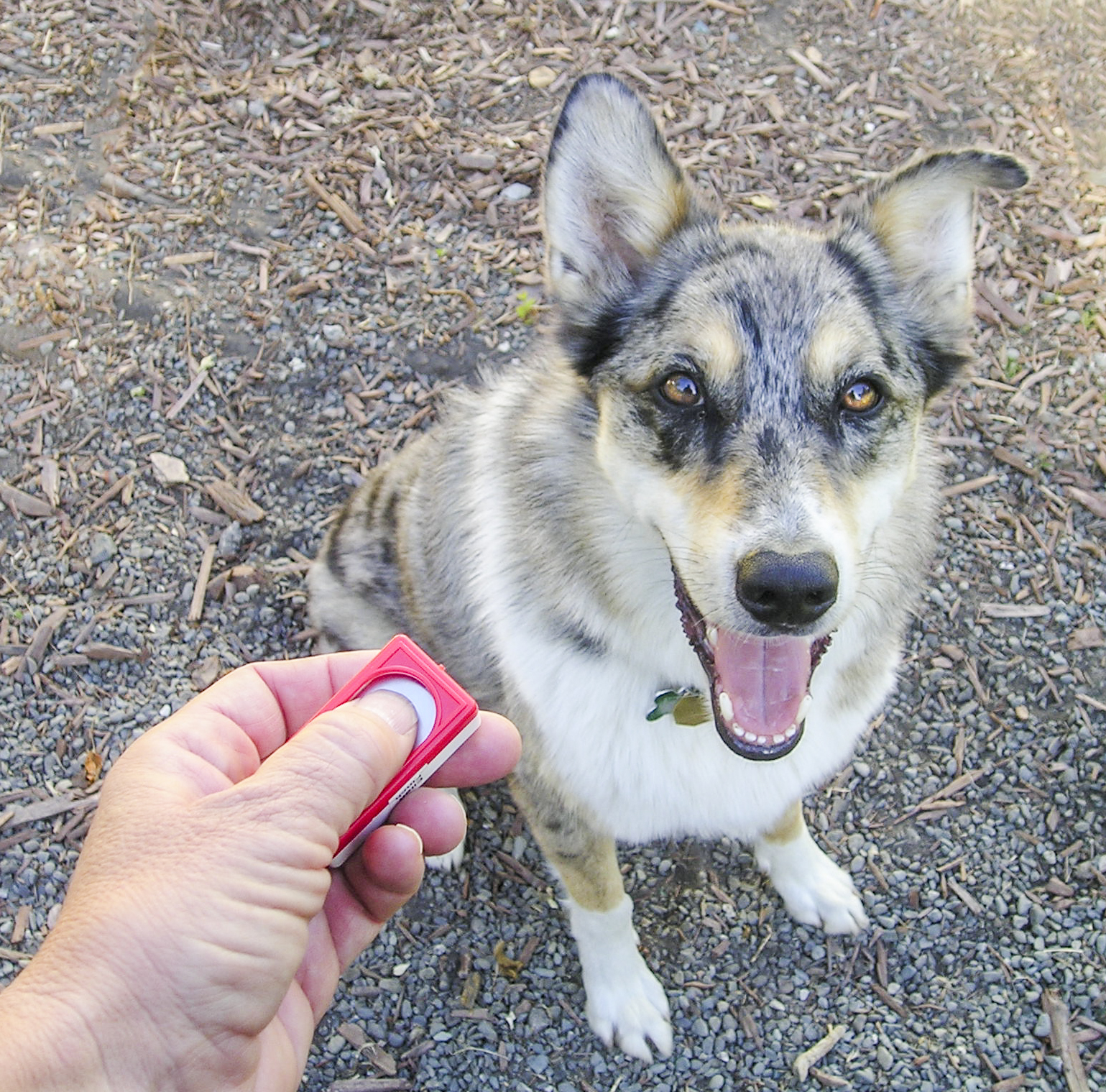
As the name suggests, this method uses a clicker. This is usually a small plastic device that has a strip of metal inside that “clicks” when the button is pressed on the device. A specific clicker device is not necessary, though. Anything that you can use to make a distinct sound, such as a whistle or snapping your fingers, will be suitable. As a note, you will want the sound to be unique. It should not be something the dog could hear outside of your training sessions, as this could quickly become confusing. For example, if you whistle to your dog to get them to come inside, you should probably not use a whistle as your clicker alternative.
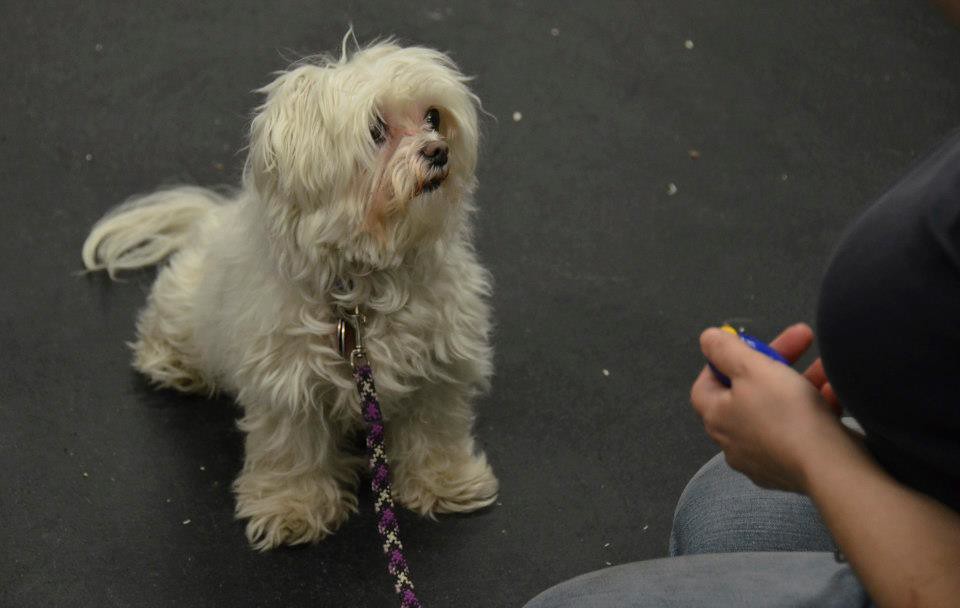
a small white dog looks up at their human from a seated position. The person is holding out a clicker in the bottom right of the photo
a person is holding out a clicker in the bottom left portion of the photo. A Shepherd mix is looking up at the person from a seated position
The purpose of the click is to indicate the exact moment that the dog performs a desired behavior. The click, or “mark”, takes all of the guesswork out of the equation for the dog because they can quickly associate the reward with the exact behavior they just demonstrated for you. This may seem trivial for “easier” tricks like Sit. For anything more complex though, the clicker allows you to break down the action into easy-to-follow steps, and it becomes much more clear to the dog what is being asked of them.
As the trainer, the most important thing you can do is be consistent. Good timing and follow-up are key elements of successful clicker training. That means trying to be as accurate as possible with your clicks, and immediately following up with whatever reward most motivates your dog. The click should occur AS the dog is performing the desired behavior, not after. Even if you make a click on accident, it is very important to still follow up with the reward to reinforce the meaning of the click.

What Are the Pros and Cons of Clicker Training?

PROS
CONS
Good bonding time for you and your dog Not all dogs respond well to the click
Can eliminate confusion from voice commands Inconsistent/Incomplete training can return poor results
It’s easy for the dog to understand the rewarded behavior Can be conditioned to only respond to the click
Training larger dogs can be much faster Isn’t helpful for correcting bad behavior
Easy for the dog to hear the click sound in many different environments Isn’t a replacement for treats or positive reinforcement
Multiple people can train the dog with little to no confusion because the dog is responding to the click and not necessarily the human’s voice commands

Where Should You Begin?

The first thing you’ll need to do is get your dog accustomed to the clicker and what it means. This is as simple as clicking the marker then immediately giving a treat. Repeat this up to 20 times until you feel your dog understands the association between the mark and the reward. After this, start with small exercises to build the dog’s confidence in the process.
One suggestion is saying the dog’s name and clicking as they look up at you. Teaching the dog to sit is another great starting exercise. The key here is to only say the command once and wait for the dog’s response. If they don’t sit on the first command, turn away from them to “reset”, then turn back and try again. If they still struggle to understand what you’re asking, then use the command, guide them into a sit position, and click as their butt hits the ground. Repeat the necessary steps until your dog consistently sits on the first try with no hesitation.
Once your dog has mastered some of the “easier” tricks, you may want to use the clicker for shaping behaviors, which is a more advanced form of clicker training that involves breaking down complex tricks into step-by-step chunks.
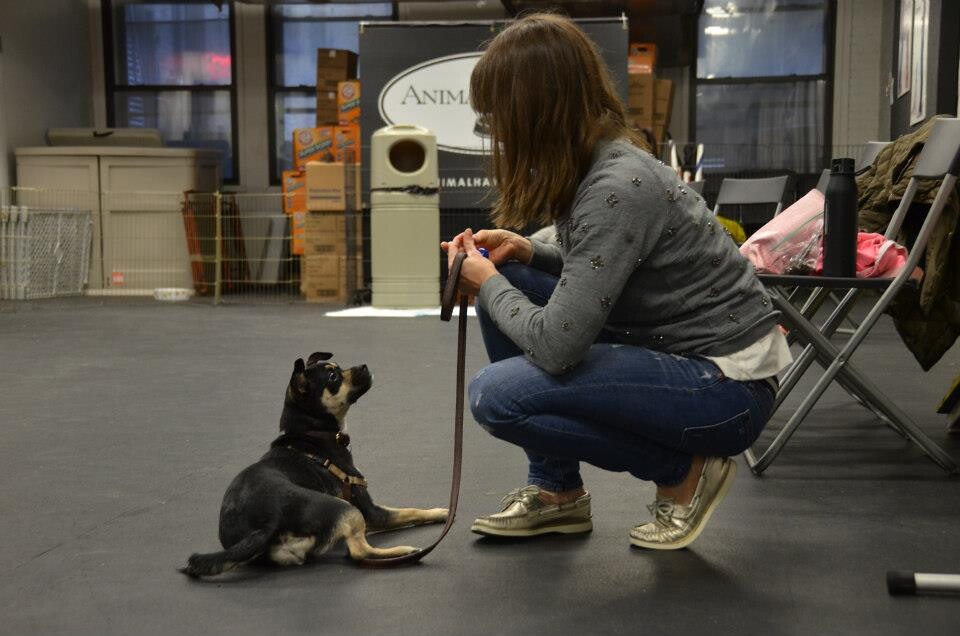
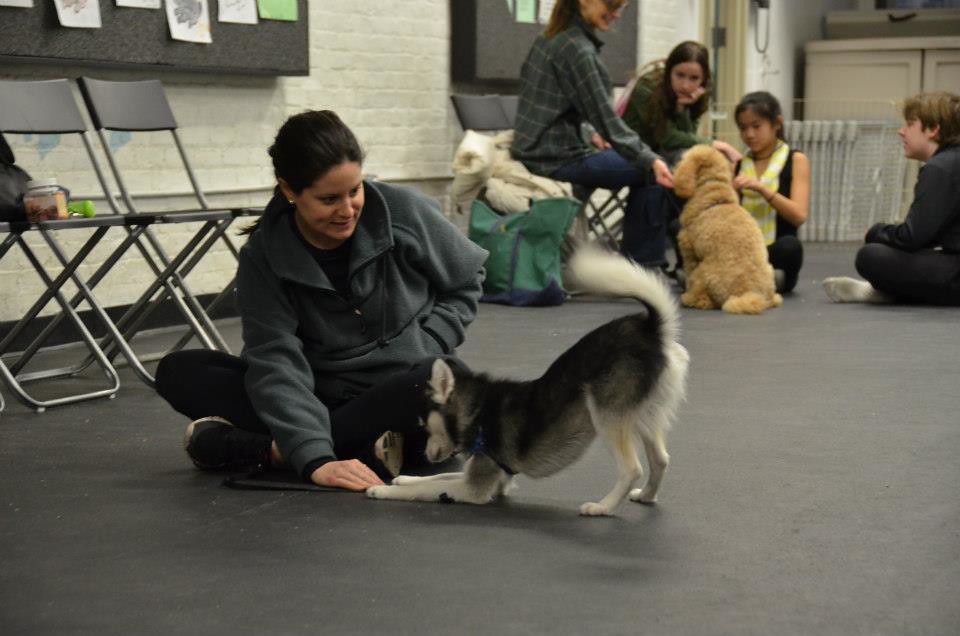
a person and their pup are working on lie down. The person is using the clicker to mark the dog getting into the laying position
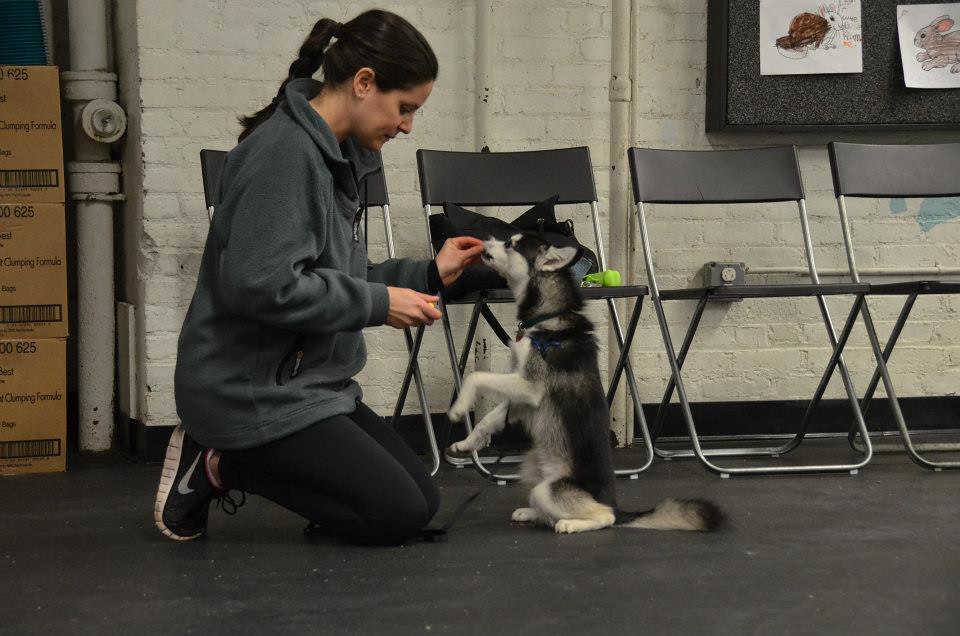
a person and their dog are using clicker training to work on the trick "sit pretty"
a person and their dog are working on the play bow trick using a clicker

Final Notes

  • When teaching a command, do not repeat the command multiple times if the dog does not respond after the first try. This can inadvertently teach the dog that they allowed to not listen to you until the third or fourth command and they can still receive praise or reward. Instead, “reset” by turning your back to the dog for a few seconds and not interacting with them in any way. Then turn back and say the command again. If the dog struggles to respond to your command, you may need to start smaller or go back a step in the learning process to make sure the dog knows what behavior is expected with that particular command.
  • Have fun! This form of training is a great way to keep your pup mentally engaged and stimulated, and it encourages team work from you both.
  • It cannot be stated enough that consistency is key. Clicking at the right time, using positive reinforcement, and respecting your dog’s attention span will help the efficiency of training tremendously. Also, remember that accidental clicks still get rewards.
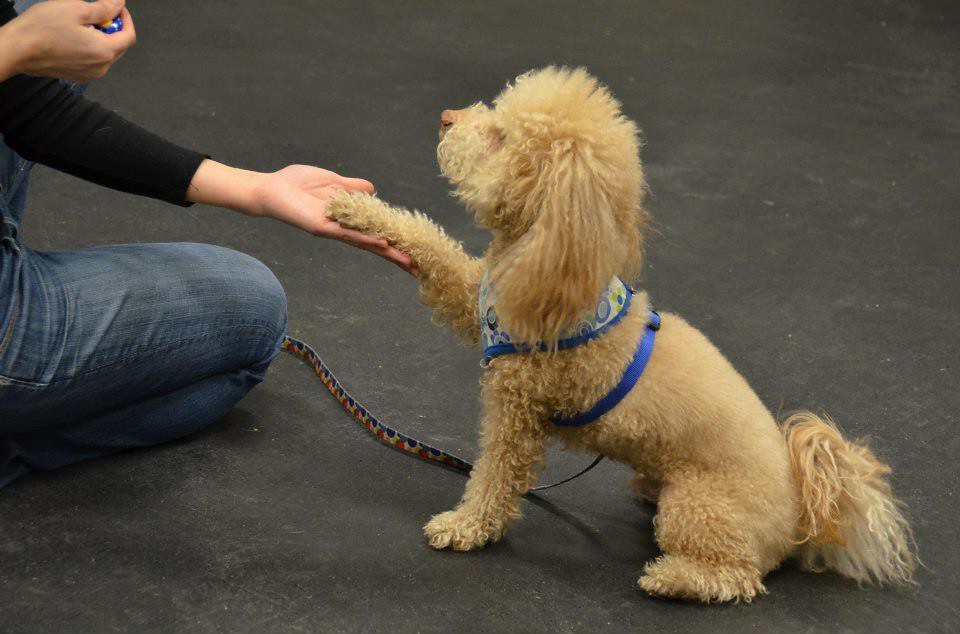
a person and their dog are working on the handshake trick using a clicker

Check out our articles on popular dog breeds in Florida!

National Bring Your Cat to the Vet Day

National Bring Your Cat to the Vet Day

August 22nd marks National Bring Your Cat to the Vet Day. Providing your cat with efficient veterinary care is crucial to ensuring they live a long and healthy life. Here are some reasons why it’s important to take your cat to the vet regularly. Cats Age Quickly...

National Check the Chip Day

National Check the Chip Day

August 15 is National Check the Chip Day for pet owners. The American Veterinary Medical Association and the American Animal Hospital Association created this day to remind pet owners about the importance of microchipping. It also serves as a reminder to keep the...

National Immunization Awareness Month

National Immunization Awareness Month

August is National Immunization Awareness Month. National Immunization Awareness Month marks the time to remember how important it is to vaccinate your pets. Vaccinations increase your pet’s overall health and wellness and help them live longer and healthier lives....

Celebrate National Mutt Day on July 31

Celebrate National Mutt Day on July 31

July 31 is National Mutt Day! Occurring twice a year in July and again in December, it’s a day to embrace and celebrate dogs of multiple and mixed breeds. Mixed breed dogs live in shelters all across the country waiting to be adopted into a loving home. National Mutt...

How to Stop Your Cat From Scratching Furniture

How to Stop Your Cat From Scratching Furniture

If you’re reading this article and you have a cat, chances are stopping your cat from scratching furniture is a problem you have to deal with. Here are some tips on how to stop this from happening. Why Do Cats Scratch Furniture?Cats scratching furniture is part of...

How to Make Vet Trips Easier

How to Make Vet Trips Easier

Many pet owners have experienced the stress of taking their pet to the vet. A lot of dogs and cats get anxious about going to the vet which can make it difficult to want to schedule an appointment. Here are some things you can do to make vet trips easier for you and...