

Allergy-Friendly Pets: Top Hypoallergenic Dogs and Cats
A short list of perfect pets for allergy sufferers.
For dog lovers and cat enthusiasts who suffer from allergies, finding the perfect furry friend can be a challenge.
Although no pet is completely allergen free, hypoallergenic dog and cat breeds offer allergy sufferers a potential solution as they produce fewer allergens compared to other breeds.
In this post, we’ll explore several popular hypoallergenic dog and cat breeds and discuss what makes them ideal companions for anyone with allergies.
Table of Contents
Hpoallergenic pets are a great options for allergy sufferers who still want to experience the joy of having a furry companion without the exposure to pet dander and other allergens.
The Poodle, Bichon Frise, and Yorkshire Terrier are some of the most popular, allergy-friendly dog breeds available.
Likewise, selecting a hypoallergenic cat breed like the Siberian, Balinese, and Sphynx provide allergy-friendly options for cat lovers.
In addition to choosing a breed that is hypoallergenic, it’s also important to weigh your lifestyle preferences and the nature of the breed in a pet. Let’s take a closer look at three of the most popular hypoallergenic dog and cat breeds, their qualities and unique care needs.
Popular Hypoallergenic Dog Breeds
1. Poodle. Poodles are known for their curly, dense coat, which sheds minimally and traps dander, reducing the spread of allergens. For this reason, they are a popular pet among people who suffer with allergies.
However, to keep their coat in good condition, they require a little extra care. Regular grooming is essential to prevent matting and maintain their coat.
Poodles come in three sizes: standard, miniature, and toy. They are intelligent, active, and highly trainable. They excel in various dog sports and activities, making them versatile companions. However, Poodles require mental and physical stimulation to stay happy and healthy, so you’ll need to provide them with a lot of play time and stimulation in order to keep them from becoming bored.
2. Bichon Frise. The Bichon Frise is a small breed with a curly, fluffy coat that doesn’t shed much, making it a great choice for allergy sufferers. Their cheerful expression and compact size add to their appeal – especially for people who either don’t want a large dog or live in a smaller space.
Bichons are a popular breed because they are friendly, affectionate, and good with children and other pets. They have a playful and gentle nature, making them excellent family pets.
Like the Poodle, regular grooming and trimming are necessary to keep their coat in good condition. As they are curious and energetic dogs, Bichons also benefit from regular exercise and socialization.
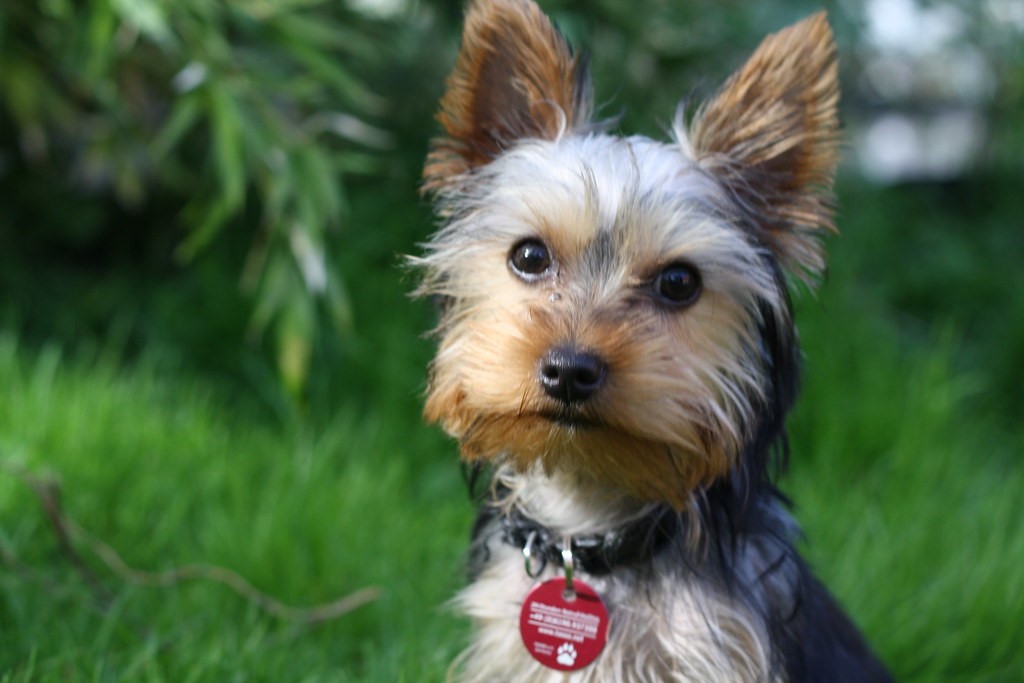
3. Yorkshire Terrier. The Yorkshire Terrier, or Yorkie, is a small breed with a long, silky coat that sheds very little. Regular brushing and grooming are essential to prevent their coat from becoming tangled. Yorkies also need regular exercise and mental stimulation.*
Despite their small size, Yorkies have a bold and confident personality. Yorkies are energetic, brave, and loyal. They form strong bonds with their owners and can be quite protective despite their diminutive size.
Which breed is right for you?
Choosing a hypoallergenic dog breed can significantly improve the quality of life for allergy sufferers who want to experience the joy of having a canine companion. The Poodle, Bichon Frise, and Yorkshire Terrier are just a few of the many breeds that offer a more allergy-friendly option without compromising on companionship and love. With proper care and grooming, these hypoallergenic dogs can become beloved members of any family, providing endless affection and joy.
Popular Hypoallergenic Cat Breeds
1. Siberian. The Siberian cat is a large, strong breed with a semi-longhaired coat. Despite their luxurious fur, Siberians produce lower levels of the allergenic protein Fel d 1, which is found in cat saliva. This makes them a great option for allergy sufferers. However, being a semi-longhaired cat, they require regular grooming to maintain their coat and reduce shedding.
Siberians are affectionate, playful, and enjoy being around people. They are known for their dog-like loyalty and often follow their owners around the house. Siberians are social, active cats that enjoy playtime and mental stimulation.
2. Balinese. The Balinese is a longhaired variety of the Siamese cat. They have a silky coat that doesn’t mat easily. It also produces less Fel d 1 protein compared to other cats. Much like Siberians, regular grooming is needed to keep their coat in top condition.
Balinese cats are energetic and benefit from interactive toys and activities that challenge their minds. Because they need a bit more stimulation than other cats, they may not be the best choice for a pet parent with an extra busy lifestyle.
3. Sphynx. The Sphynx is a hairless breed known for its unique appearance and lack of fur. Despite being hairless, Sphynx cats need frequent baths to keep their skin clean and healthy. Regular bathing is needed to remove the oils that would typically be absorbed by fur, helping to reduce allergens. They also need warmth and protection from the elements due to their lack of fur.
Sphynx cats are friendly, outgoing, and enjoy being the center of attention. They are known for their playful and affectionate nature.
Which breed is right for you?
Selecting a hypoallergenic cat breed can greatly improve the quality of life for allergy sufferers who wish to enjoy the companionship of a feline friend. The Siberian, Balinese, and Sphynx are just a few of the many breeds that offer a more allergy-friendly option without sacrificing affection and personality. With proper care and attention, these hypoallergenic cats can become cherished members of any household, bringing joy and love to their owners.
Still Have Questions? Consult Your Veterinarian About These and Other Allergy-Friendly Pets.
At Regal Animal Hospital, we aim to provide you with access to the most current information and best resources for making informed decisions about your pet’s health and well-being.
If you still have questions about hypoallergenic dog and cat breeds, please feel free to schedule a conversation with your veterinarian today.

Send us a Message

Visit Our Office

Call Us Today
