
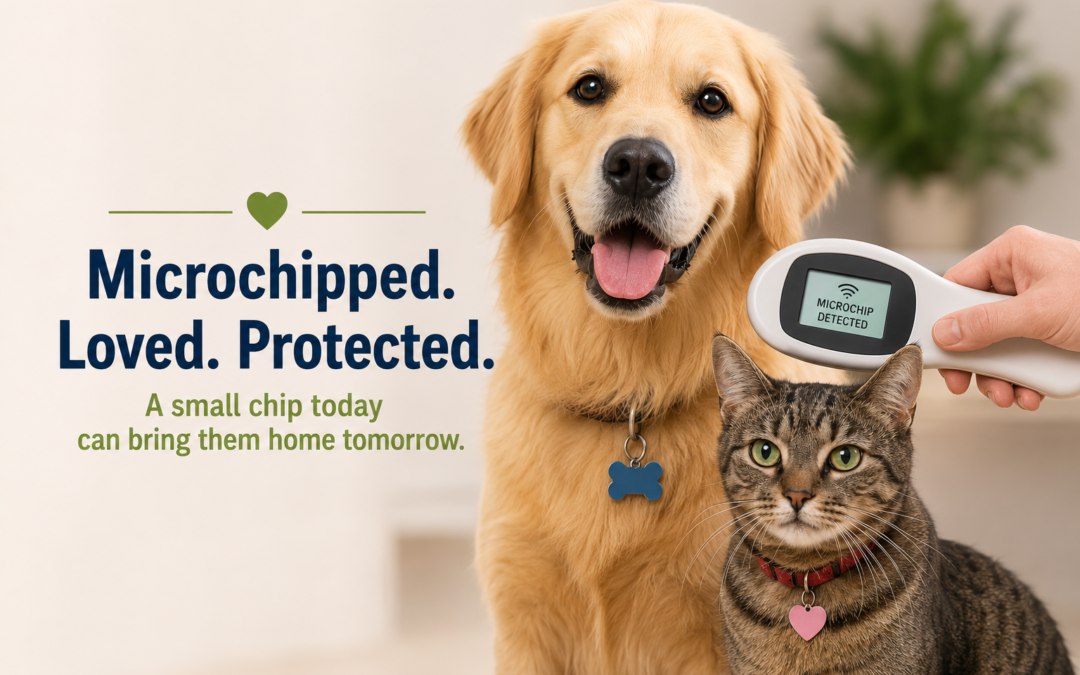
Why Microchipping Your Pet Could Be the Best Decision You Ever Make
Celebrating National Check the Chip Day on August 15.
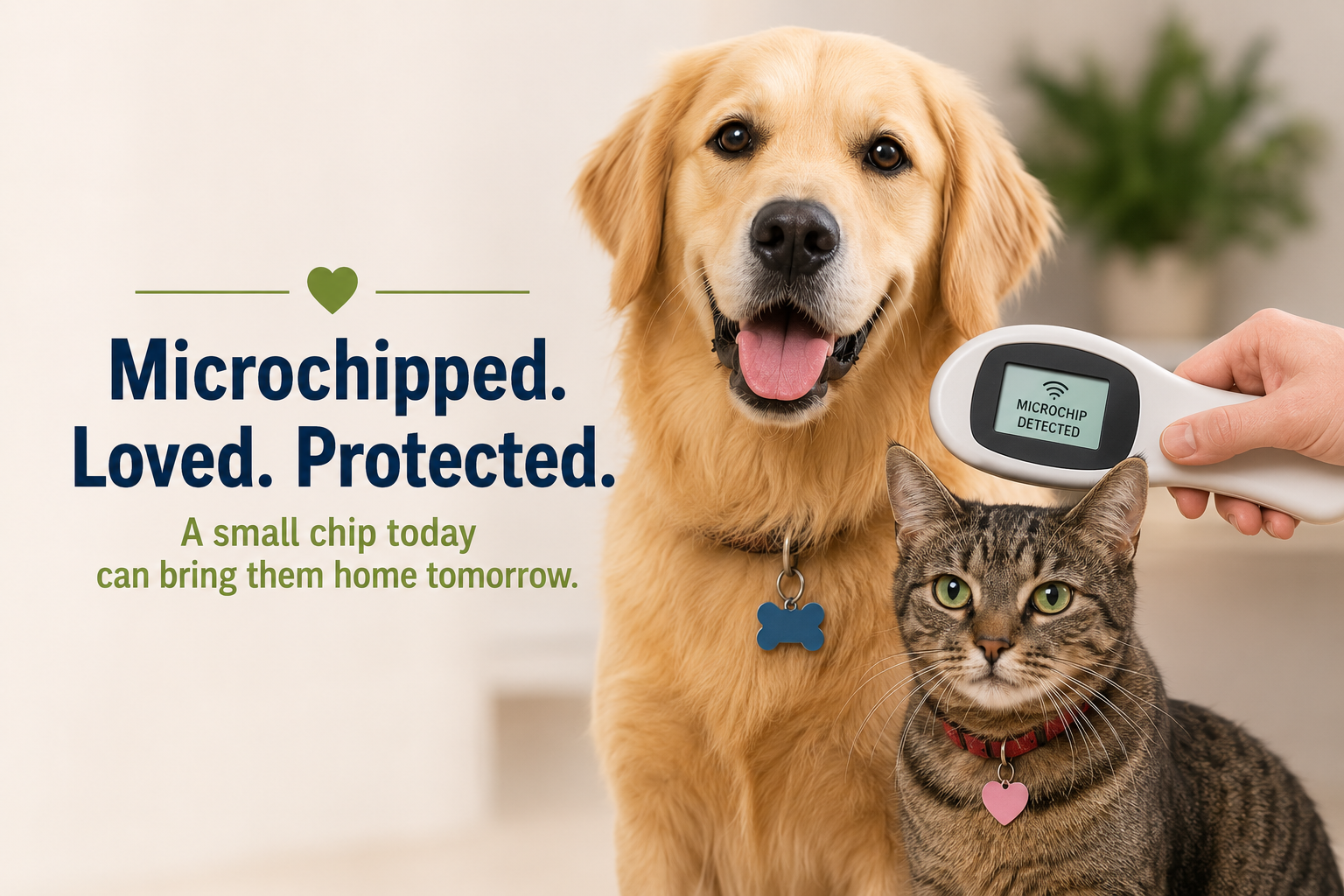
Every pet owner’s worst nightmare is watching a beloved dog or cat disappear. Whether a gate is accidentally left open, a leash slips from your hand, or a frightened pet escapes during a thunderstorm, pets can become lost in a matter of seconds.
Fortunately, one simple form of identification can dramatically improve the chances of a happy reunion: a pet microchip.
In recognition of National Check the Chip Day on August 15, Regal Animal Hospital encourages pet owners throughout Lake Worth and Palm Beach County to ensure their pets are microchipped and that their registration information is current.
Table of Contents
What is a Pet Microchip?
A pet microchip is a tiny electronic chip, about the size of a grain of rice, that is implanted just beneath your pet’s skin—typically between the shoulder blades.
The microchip contains a unique identification number that can be read by a scanner used by veterinary hospitals, animal shelters, and animal control organizations. When a lost pet is found, the microchip number is used to access the owner’s contact information through a secure registry.
One common misconception is that a microchip functions like a GPS tracker. It does not. Instead, it serves as a permanent form of identification that helps connect lost pets with their families when scanned.
Why Is Microchipping So Important?
Collars and ID tags are valuable, but they can break, fall off, or become unreadable over time. A microchip provides permanent identification that remains with your pet.
According to the American Veterinary Medical Association (AVMA):
- One in three pets will become lost during their lifetime.
- Microchipped dogs are reunited with their owners at significantly higher rates than dogs without microchips.
- Lost microchipped cats are also much more likely to return to owners.
For many families, a microchip is the difference between a temporary scare and a permanent loss.
The Most Important Step: Registering and Updating Your Information
Having a microchip implanted is only the first step.
As veterinary professionals, we frequently discover that pet owners either never registered their pet’s microchip or have outdated contact information associated with the chip. If your phone number, email address, or home address changes, your pet’s registration should be updated immediately.
In fact, the AVMA reports that many microchips remain unregistered, reducing their effectiveness when pets become lost.
As part of your pet’s annual care checklist, ask yourself:
- Have you moved in the last year?
- Did you change your phone number?
- Have you updated your emergency contact information?
- Do you know which company manages your pet’s microchip registration?
If you’re unsure, now is the perfect time to verify your information.
National Check the Chip Day: A Reminder That Saves Lives
National Check the Chip Day was created to encourage pet owners to routinely verify their microchip information and ensure their pets can be identified if they ever become lost. The observance takes place every year on August 15.
The AVMA offers excellent educational resources, including a helpful infographic explaining why microchip registration matters and how it improves lost pet recovery rates.
Learn more by viewing the AVMA’s National Check the Chip Day infographic and resources:
Frequently Asked Questions About Pet Microchips
- Does microchipping hurt my pet? Most pets experience only minimal discomfort during implantation. The procedure is quick and similar to receiving a vaccination.
- Can a microchip stop working? Microchip failures are uncommon. During your pet’s wellness visit, your veterinarian can scan the chip to ensure it is functioning properly.
- Can a microchip track my pet’s location? No. Microchips are identification devices, not GPS trackers.
- Is a microchip enough without an ID tag? The best protection combines a microchip with a collar and current identification tags.
- How often should I check my pet’s microchip information? Veterinarians recommend verifying your pet’s registration information at least once per year and whenever your contact information changes.
- Can a microchip move? Occasionally, a microchip can migrate a short distance beneath the skin after implantation. Professionals are aware of this possibility and will scan a larger area around the shoulder blades in search of a potentially migrated chip.
Protect Your Pet. Schedule a Microchip Appointment at Regal Animal Hospital
At Regal Animal Hospital, we believe that prevention is one of the most important aspects of responsible pet ownership. Microchipping is a safe, affordable, and highly effective way to protect your dog or cat throughout every stage of life.
Whether you’ve recently adopted a puppy or kitten, moved to a new home, or simply haven’t checked your registration information in several years, National Check the Chip Day is the perfect reminder to take a few minutes to verify your pet’s information.
Those few minutes could make all the difference if your pet ever goes missing.
If your pet is not yet microchipped—or if you’re unsure whether their registration information is current—our veterinary team is here to help.
Contact us today to schedule a wellness visit, microchip implantation, or microchip scan. Together, we can help keep pets throughout Lake Worth, Palm Beach County, and the surrounding South Florida communities safe, protected, and connected to the families who love them.

Send us a Message

Visit Our Office

Call Us Today
