
How Often Should Senior Dogs and Cats See the Veterinarian?
Maintaining your pet’s comfort and quality of life as they age.
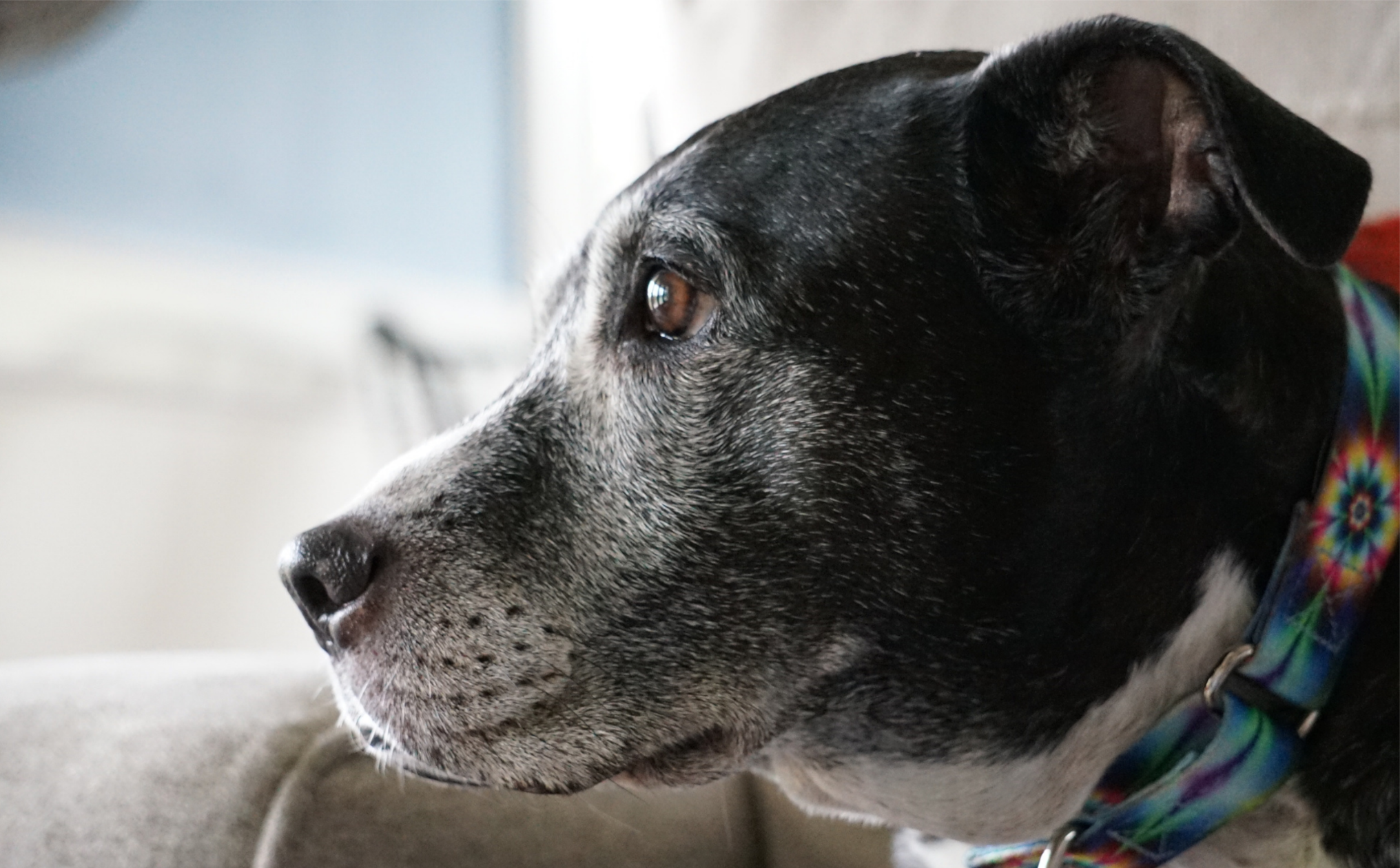
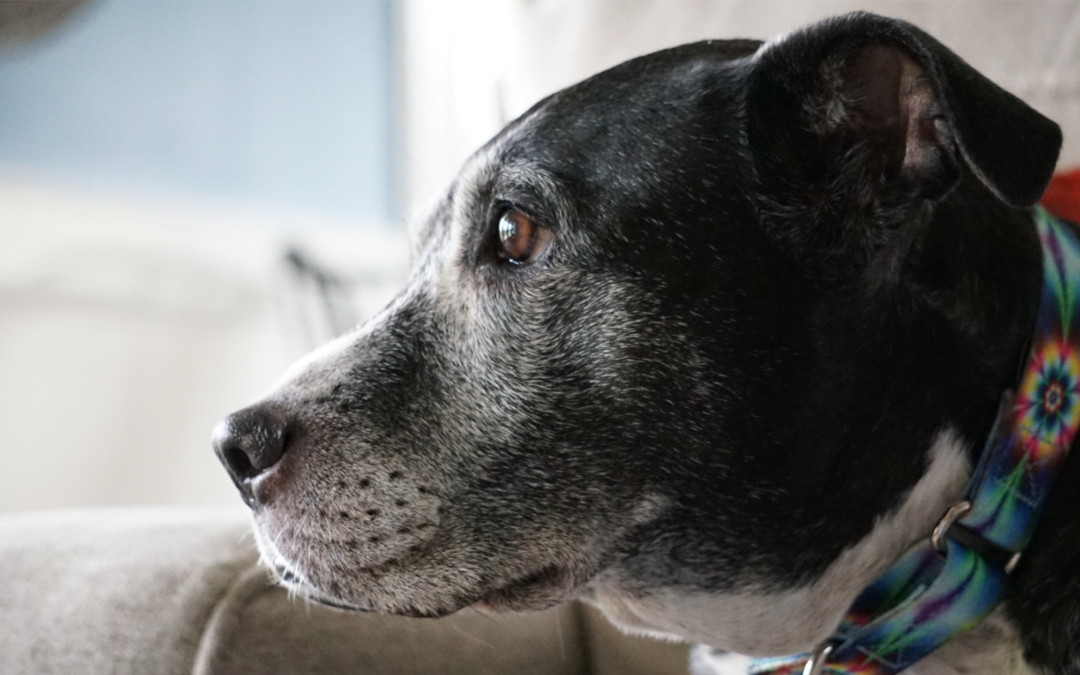
As our dogs and cats grow older, their needs change—and regular veterinary care becomes even more important. Senior pets can continue to enjoy happy, comfortable and fulfilling lives, but age-related health changes may develop gradually and can be difficult to recognize at home. Routine wellness examinations give your veterinarian an opportunity to identify subtle changes early, monitor your pet’s overall health and help you make informed decisions about their care.
So, how often should senior dogs and cats see the veterinarian? In general, senior dogs and cats should have a veterinary wellness examination at least every six months. The American Animal Hospital Association (AAHA) recommends twice-yearly examinations for senior pets, even when they appear healthy. However, because every pet ages differently, your veterinarian may recommend visits more frequently depending on your dog or cat’s health, breed, lifestyle, medications and individual needs.
Table of Contents
When is a Dog or Cat Considered a Senior Pet?
There is no single age at which every dog or cat suddenly becomes a senior. Dogs age differently depending on their breed and size, while cats generally have a more consistent aging pattern. AAHA’s general guidance identifies dogs over 7 years and cats over 10 years as senior pets. For dogs, your veterinarian can offer a more specific senior age for your pet based on size, and breed. Some dogs may be considered senior upon turning 5 years of age, whereas others may not be considered senior until turning around 10 years of age.
Rather than focusing only on a number, it is helpful to think of senior veterinary care as a transition in your pet’s healthcare needs. As pets enter their later years, preventative care increasingly focuses on detecting changes early and maintaining quality of life. This may include monitoring mobility, weight, appetite, behavior, dental health, organ function and other aspects of your pet’s overall wellbeing.
Why Do Senior Dogs and Cats Need More Frequent Veterinary Visits?
One of the most important reasons for twice-yearly senior pet checkups is that dogs and cats can experience health changes more quickly as they age. A pet may seem perfectly normal at home while subtle changes are developing internally. Regular veterinary examinations allow your veterinarian to establish a baseline for your pet and identify changes that may warrant additional attention.
Senior pets are also more likely to develop chronic conditions that require ongoing monitoring. Kidney disease, arthritis, dental disease, heart disease, diabetes, thyroid disorders and certain cancers are among the conditions that may become more common with age. Early detection does not guarantee that a disease can be prevented or cured, but identifying a problem sooner can provide more opportunities for treatment, management and maintaining your pet’s comfort.
While it is instinctual for both dogs and cats to hide illness and pain to a degree, cats are particularly good at hiding issues. In these circumstances, a problem may only be identifiable with a thorough examination or through routine laboratory testing. A cat that continues to eat, use the litter box and interact with the family may be hiding a developing health concern. If changes are present they can be very subtle, such as sleeping more, jumping less frequently, grooming differently or becoming less interested in play or general interaction. Regular veterinary examinations can help distinguish normal aging from changes that deserve further investigation.
What Happens During a Senior Pet Wellness Examination?
A senior veterinary examination is more than simply checking your pet’s weight and listening to their heart. Your veterinarian will perform a thorough physical examination and may discuss changes you have noticed at home, as subtle as they may be, including appetite, thirst, activity level, mobility, sleep, bathroom habits, grooming, general behaviors and interaction with family members.
Your veterinarian will also assess areas that become increasingly important as pets age, including dental health, body condition, muscle mass, joints and overall mobility. Depending on your pet’s history and physical examination, your veterinarian may recommend diagnostic testing such as bloodwork and urinalysis. AAHA’s senior care guidelines note that routine laboratory screening can be useful for identifying changes that may not yet be producing obvious symptoms.
These conversations are an important part of senior pet care. What you notice at home can provide your veterinarian with valuable information that may not be apparent during an office visit where your pet will act differently due to excitement or stress. If your older dog is hesitating before climbing stairs, for example, or your senior cat has stopped jumping onto a favorite piece of furniture, those changes are worth mentioning—even if your pet otherwise seems happy and healthy.
Helping Your Senior Dog or Cat Enjoy Their Golden Years.
Aging is a natural part of life, but getting older does not mean your pet has to stop enjoying the things that make them happy. With appropriate preventative veterinary care, regular health monitoring and a little extra attention to changing needs, many senior dogs and cats can continue to enjoy a wonderful quality of life.
For families in Lake Worth and Palm Beach County, establishing a consistent senior pet care routine with a trusted veterinary team can help you navigate the changes that come with aging. Regular examinations give you an opportunity to ask questions, discuss changes you have noticed at home and work with your veterinarian to create a healthcare plan tailored to your pet.
At Regal Animal Hospital, we understand that senior dogs and cats are more than pets—they are cherished members of the family. If your dog or cat is entering their senior years, or if you are unsure how often your senior pet should see a veterinarian, we are here to help. Contact Regal Animal Hospital to schedule your pet’s next wellness examination and talk with our veterinary team about a personalized senior care plan.

Send us a Message

Visit Our Office

Call Us Today
