
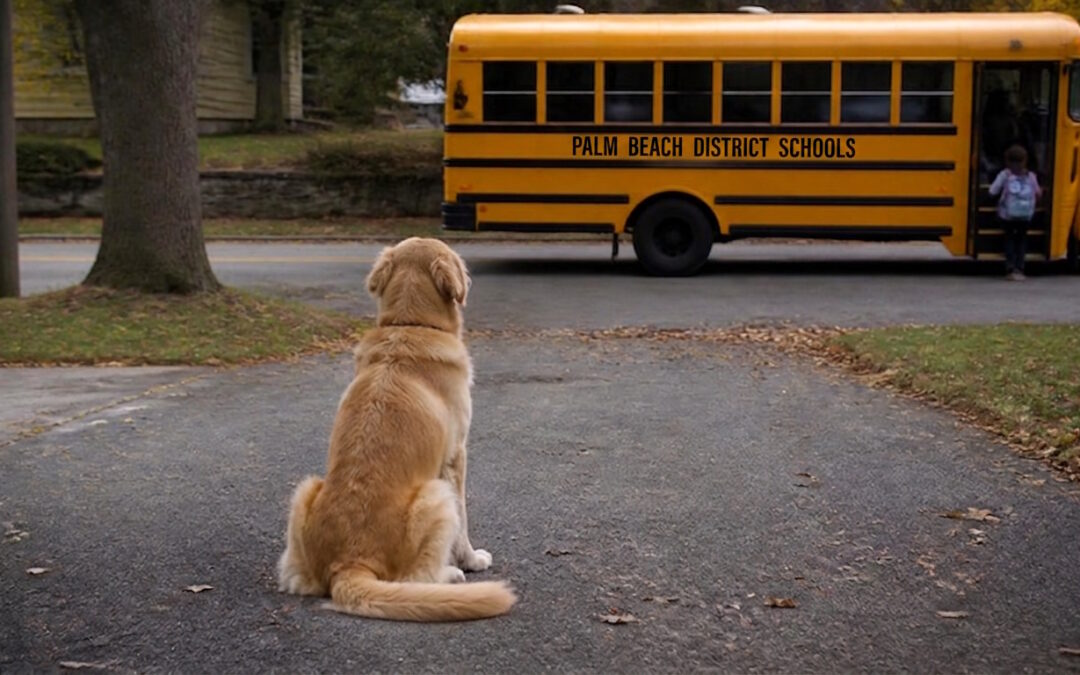
Why is My Dog Acting Different Since the Kids Went Back to School?
Understanding Your Dog’s Behavior After a Major Change in Routine
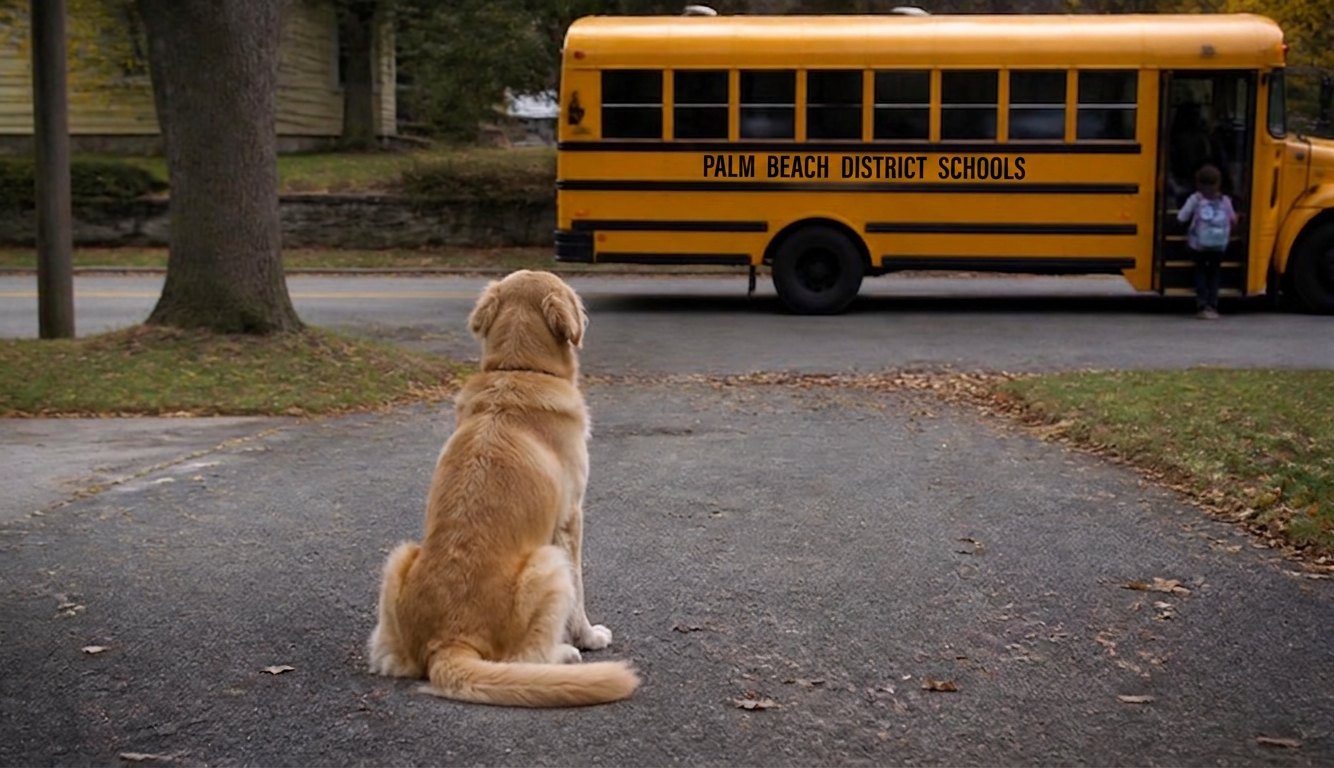
The start of a new school year can be an exciting time for families—but for your dog, it may feel a little confusing.
After spending weeks or months with the kids home, your dog may suddenly find themselves alone for longer periods of time. Their morning routine may change. Walks may happen at different times. There may be less playtime, fewer people coming and going, and a much quieter house during the day.
If your dog seems clingier, more anxious, restless, destructive, or unusually quiet since the kids went back to school, you may be wondering: Why is my dog acting different?
In many cases, the answer is a change in routine.
Dogs thrive on consistency and familiarity. When their daily schedule changes suddenly, some dogs may experience stress or separation anxiety. Fortunately, there are several ways you can help your dog adjust to the new school-year routine and feel safe and comfortable at home.
Table of Contents
Why Does Going Back to School Affect My Dog?
Dogs are creatures of habit. They become accustomed to the people, sounds, activities, and routines that make up their everyday lives.
During summer break, your dog may have gotten used to having the kids around throughout the day. They may have enjoyed extra walks, backyard playtime, frequent attention, or simply the comfort of having their favorite people nearby.
When school starts again, all of that can change almost overnight.
Your dog may suddenly experience:
- More time alone during the day
- Changes in feeding, walking, or bathroom schedules
- Less physical exercise and mental stimulation
- Fewer opportunities for interaction and play
- A quieter home environment
- Increased separation from children or other family members
While these changes may seem small to us, they can be significant to a dog who has become accustomed to a particular routine.
What Are the Signs of Stress or Anxiety in Dogs?
Not every dog reacts to a schedule change in the same way. Some dogs adjust quickly, while others may need additional time and support.
A dog experiencing stress or anxiety after the kids return to school may show behavioral changes such as:
- Following family members from room to room
- Whining or barking more frequently
- Pacing or having difficulty settling down
- Becoming restless or unusually energetic
- Chewing furniture, doors, or other household items
- Having accidents in the house despite previous house training
- Panting excessively when the temperature is comfortable
- Losing interest in food or treats
- Hiding or withdrawing from family members
- Attempting to escape when left alone
- Becoming unusually clingy, needing more attention
These behaviors can sometimes be signs of separation anxiety, particularly when they occur around the time family members leave the house.
However, a sudden change in your dog’s behavior should not automatically be attributed to anxiety. Pain, illness, age-related changes, and other medical conditions can also cause dogs to behave differently. If your pet’s behavior changes suddenly or dramatically, a veterinary evaluation can help determine what may be contributing to the change.
How Can I Help My Dog Adjust to the New School Routine?
The good news is that there are several simple things you can do to make the transition easier.
1. Re-establish a Predictable Routine
One of the best ways to help a dog adjust to a new schedule is to create consistency.
Try to keep meals, walks, playtime, and bedtime as predictable as possible. If your dog knows what to expect each day, the new routine may feel less overwhelming.
If possible, begin adjusting your dog’s schedule gradually before a major change occurs. Even small changes can help your pet become more comfortable with spending time alone.
- Give Your Dog Plenty of Exercise
A dog with excess energy may be more likely to become restless or engage in destructive behaviors when left alone.
Regular physical activity is important for your dog’s overall health and can also provide valuable mental stimulation. A morning walk, backyard play session, or age-appropriate activity before the family leaves for school can help your dog start the day feeling more relaxed.
Remember that exercise needs vary based on your dog’s age, breed, size, and health. Your veterinarian can help you determine an appropriate activity level for your pet.
- Provide Mental Enrichment
Physical exercise isn’t the only way to keep your dog engaged.
Food puzzles, interactive toys, training sessions, scent games, and other forms of enrichment can give your dog something positive to focus on while the family is away.
Rotating toys rather than leaving every toy available all the time can also help maintain your dog’s interest. Even a few minutes of positive-reinforcement training can provide mental stimulation and strengthen the bond between you and your pet.
- Create a Comfortable Safe Space
Make sure your dog has a quiet, comfortable place where they can relax while the household is busy or empty.
Depending on your dog’s preferences, this might be a crate they already associate with comfort, a quiet bedroom, or another low-traffic area of the home.
Consider adding familiar bedding, a favorite toy, or another item your dog finds comforting.
A safe space should never be used as punishment. Instead, it should be a place where your dog feels secure and can retreat when they need some quiet time.
- Practice Short Periods of Alone Time
If your dog has become accustomed to having people around all day, suddenly being alone for several hours can be difficult.
Whenever possible, help your dog build independence gradually. Start with short periods of separation and slowly increase the amount of time your dog spends alone.
Remain calm when leaving and returning home. While it is natural to be excited to see your pet after a long day, keeping departures and arrivals relatively low-key can help reduce the emotional intensity surrounding your absence.
- Reward Calm Behavior
Positive reinforcement can help your dog learn that calm, relaxed behavior is rewarding.
For example, if your dog settles quietly on their bed while the family is getting ready for school, offer praise or a small treat. Over time, your dog can learn that relaxing independently is a positive behavior.
Avoid punishing your dog for anxiety-related behaviors. Destructive behavior, barking, accidents, or other unwanted behaviors may be symptoms of stress rather than intentional misbehavior.
What If My Dog Develops Separation Anxiety?
Some dogs may experience more than a temporary adjustment period.
Separation anxiety in dogs is a condition in which a dog experiences significant distress when separated from their family or left alone. Signs can include excessive barking or whining, destructive behavior, pacing, panting, house-soiling, escape attempts, and other stress-related behaviors.
Dogs experiencing separation anxiety may need a more individualized approach that can include behavioral strategies, environmental changes, enrichment, and—in some cases—additional veterinary support.
The earlier you address concerning behaviors, the better. Allowing severe anxiety to continue without intervention can make the problem more difficult to manage and may negatively affect your dog’s overall quality of life.
When Should I Call My Veterinarian?
A temporary change in behavior may simply be your dog adjusting to the new school-year schedule. However, it is important to talk with your veterinarian if your dog’s behavior is persistent, worsening, or accompanied by other changes in health.
Contact your veterinarian if you notice:
- A sudden or significant personality change
- Loss of appetite
- Changes in drinking or urination
- Vomiting or diarrhea
- Unexplained weight loss
- Excessive panting or restlessness
- Signs of pain
- Aggression or fear that is unusual for your dog
- Repeated destructive or escape behaviors
- Anxiety that is interfering with your dog’s daily life
Behavioral changes can sometimes be the first indication of an underlying medical problem. Your veterinarian can evaluate your dog and help determine whether the behavior is related to stress, anxiety, a medical condition, or a combination of factors.
Helping Your Dog Have a Happy, Healthy School Year
For many families, back-to-school season means returning to a familiar routine. Your dog may simply need some time to catch up.
With a predictable schedule, plenty of exercise, mental enrichment, positive reinforcement, and a comfortable place to relax, many dogs can successfully adjust to having the kids away during the day.
Most importantly, remember that your dog isn’t necessarily being “bad” if they suddenly start barking, chewing, following you around, or acting differently. Behavior is one of the ways dogs communicate with us. Paying attention to those changes can help you understand what your pet needs.
Let Regal Animal Hospital Help
If your dog is struggling with anxiety, stress, separation, or a significant change in behavior, you don’t have to figure it out alone.
At Regal Animal Hospital, our compassionate veterinary team provides personalized care for dogs experiencing behavioral and health concerns. We can help evaluate your dog’s symptoms, identify potential underlying medical issues, and recommend strategies to support their physical and emotional well-being.
If you’re looking for a Lake Worth veterinarian who understands the connection between your dog’s health, behavior, and daily routine, our team is here to help. We proudly provide veterinary care in Lake Worth, FL, as well as compassionate pet wellness services for families throughout Palm Beach County and surrounding communities.
Contact Regal Animal Hospital today to schedule an appointment and learn how we can help your dog adjust to the changes that come with the new school year.

Send us a Message

Visit Our Office

Call Us Today
