
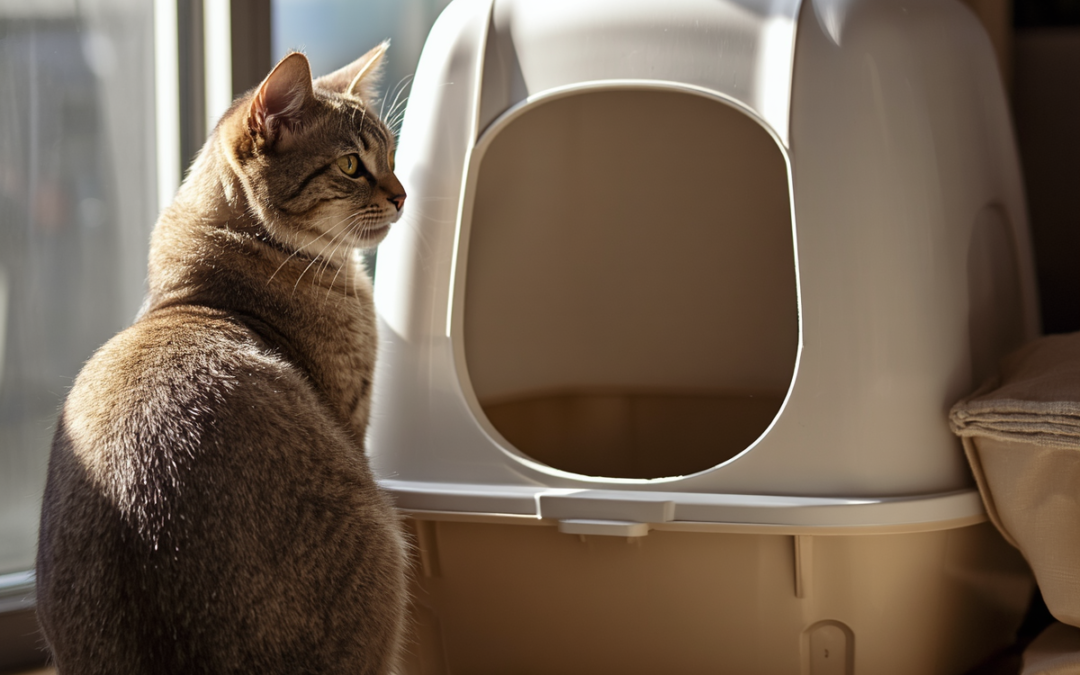
Health Monitoring Cat Litter: What Cat Owners Should Know
How Health Monitoring Cat Litter Works, and Whether It’s Right for Your Cat.
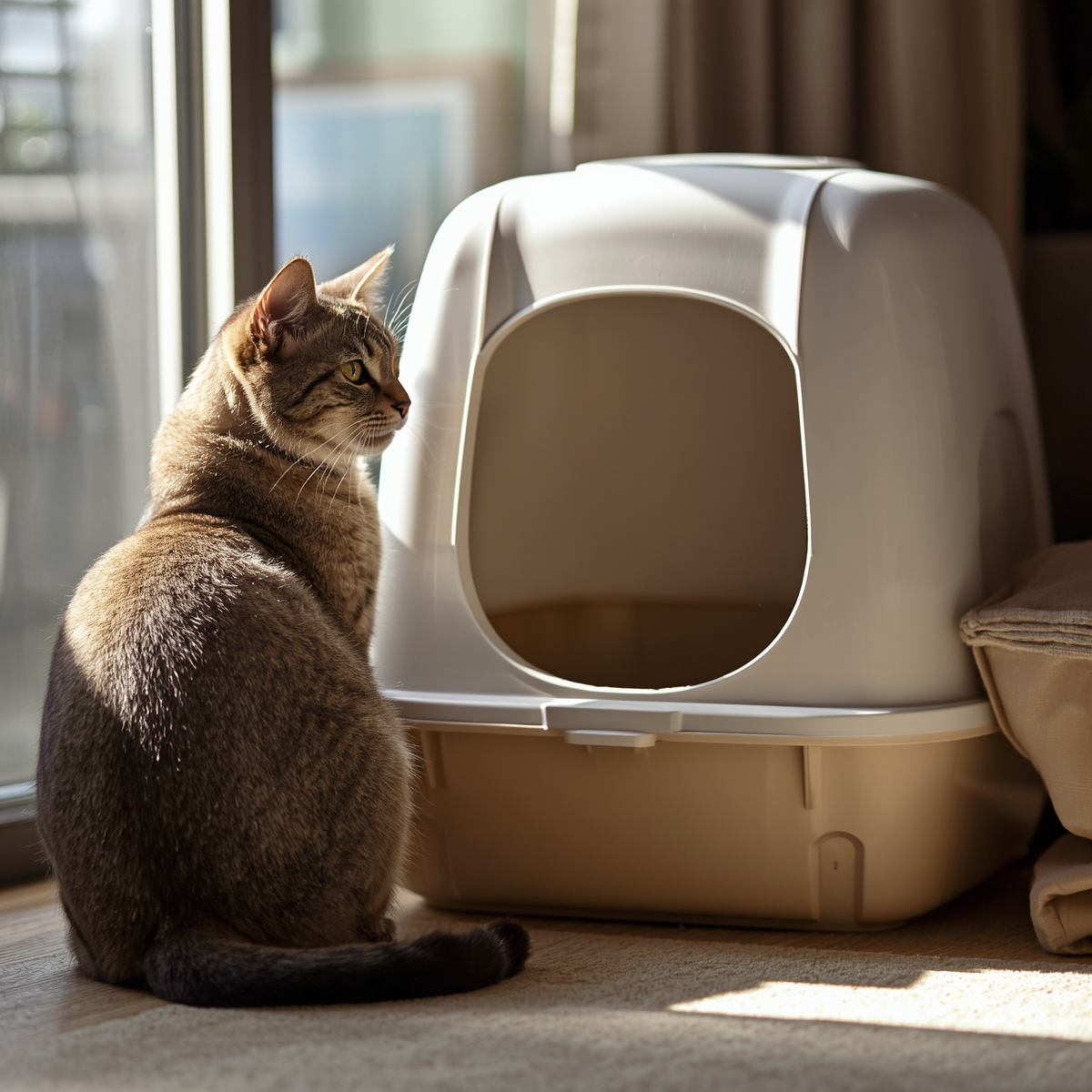
Cats are wonderfully independent—but that independence can make it difficult to spot when something isn’t quite right. Many feline health issues develop quietly, with subtle symptoms that are easy to miss at home.
Some pet owners in Lake Worth and throughout Palm Beach County are turning to health monitoring cat litter for an added layer of awareness. However, for all the promises, there are limitations and potential hazards associated with these products, as well.
At Regal Animal Hospital, we love seeing pet parents take a proactive approach to their cat’s well-being – and we’re here to help you understand how these products may or may not fit into the bigger picture of your pet’s care.
Table of Contents
What is Health Monitoring Cat Litter?
Health monitoring cat litter is designed to do more than just manage waste. It’s also intended to help flag potential changes in your cat’s urinary health.
There are two primary types of health monitoring cat litter; Silica-based litters, and special granules designed to detect the presence of glucose. These specialized products contain indicators that react to certain components in urine, including:
- pH levels
- Blood (which may indicate irritation or infection)
- Glucose (which can be associated with metabolic concerns)
- Protein levels
Some litters change color to signal a shift, and some even pair with apps to track patterns over time. Although potentially useful as an extra monitoring tool, they are not a replacement for regular testing/exams and veterinary evaluation – especially when abnormal symptoms are observed or a pre-existing condition is being managed.
How Does It Work?
Most health monitoring litters use silica-based crystals infused with gentle chemical indicators. When your cat urinates, the litter reacts and may shift in color depending on what’s detected.
These visual cues can be helpful in catching early changes—especially for conditions like urinary tract infections or bladder inflammation.
Additionally, veterinary professionals have expressed skepticism regarding their accuracy and concern that they could be providing pet owners with a false reassurance that their cat is healthy when there could be underlying health factors at play.
Another type of health monitoring product involves granules designed to detect glucosuria. These granules are added to cat litter directly, and turn blue in the presence of glucose. This at-home test helps monitor diabetes mellitus in cats. Studies have shown that these granules are easy for owners to use, are highly accurate, and well-tolerated by cats who may be sensistive to changes in their litter routine. Fletcher, Jon M., et al. “Glucose Detection and Concentration Estimation in Feline Urine Samples with the Bayer Multistix and Purina Glucotest.” Journal of Feline Medicine and Surgery, vol. 13, no. 10, 2011, pp. 705–711. PubMed Central, doi:10.1016/j.jfms.2011.06.002.
Will Your Cat Actually Use It?
Cats can be particular about their litter, so this is an important consideration.
Some cats adjust easily to crystal-based litters, while others may be hesitant at first. Texture, scent, and even sound can influence their comfort level.
If you’re thinking about making the switch to a health monitoring cat litter:
- Talk to your veterinarian about the benefits, drawbacks, and how to best introduce a new litter to your cat
- Introduce the new litter gradually by mixing it with your current brand
- Monitor your cat’s behavior closely
- Watch for signs of avoidance, such as going outside the litter box
If your cat seems stressed or stops using the box, it’s best to return to what they’re comfortable with and check in with your veterinarian.
Is It Worth It?
For many pet owners, health monitoring litter serves as another tool, especially for those who are already working closely with their veterinarian to monitor a known condition. However, whether it’s worth it depends on your cat, your goals, and your budget.
It may be a good fit if:
- Your cat has a history of urinary concerns
- You want an extra layer of early detection at home
- You appreciate having visual cues to monitor trends
It may not be necessary if:
- Your cat is healthy and consistent with regular exams
- You already keep a close eye on behavior and habits
- Your cat resists new litter types
Additional considerations:
There are additional concerns with silica-based products that’s worth noting. In some cases, Silica-based litters may pose a respiratory irritant risk – especially if the particles are very fine. Some veterinary professionals have found that respiratory conditions could develop in cats who are already predisposed to respiratory infections or worsen if one is already present.
In summary, we recommend thinking of health monitoring cat litter as a helpful supplement—not a replacement—for routine veterinary care. If you’re thinking about making the switch, it’s always a good idea to consult with your veterinarian.
The Bottom Line: It Should Never Replace Veterinary Care
While some health-monitoring litters and litter additives may help detect changes such as blood or glucose in urine, they are not substitutes for veterinary diagnosis or routine veterinary care.
Many factors can influence your cat’s urine, including diet, hydration, stress, and medications. A color change doesn’t always mean something is wrong—but it does mean it’s worth paying closer attention. If you notice anything unusual—whether in the litter box or your cat’s behavior overall—it’s best to reach out to a trusted veterinarian for guidance.
Health monitoring cat litter can be a useful addition to your pet care routine, especially for early awareness. But the most important tools for your cat’s health remain regular veterinary visits, open communication, and your own observations at home.
Our team uses advanced diagnostics and hands-on exams to get a complete picture of your cat’s health—something no litter product can replace. If you’re ever unsure about a change you’re seeing, it’s always better to check in. Cats are subtle communicators—but together, we can make sure nothing important goes unnoticed.
We’re Here When You Need Us
Whether you’re exploring new pet health technology or simply want reassurance about your cat’s well-being, the team at Regal Animal Hospital is here to help.
We proudly provide compassionate, personalized veterinary care for cats and dogs throughout Lake Worth and Palm Beach County.
Have a question or noticed a change in your cat’s habits? Contact us today to schedule an appointment.

Send us a Message

Visit Our Office

Call Us Today
